Canada: BC – Western Canada Moose Combo
10 days - $15,000
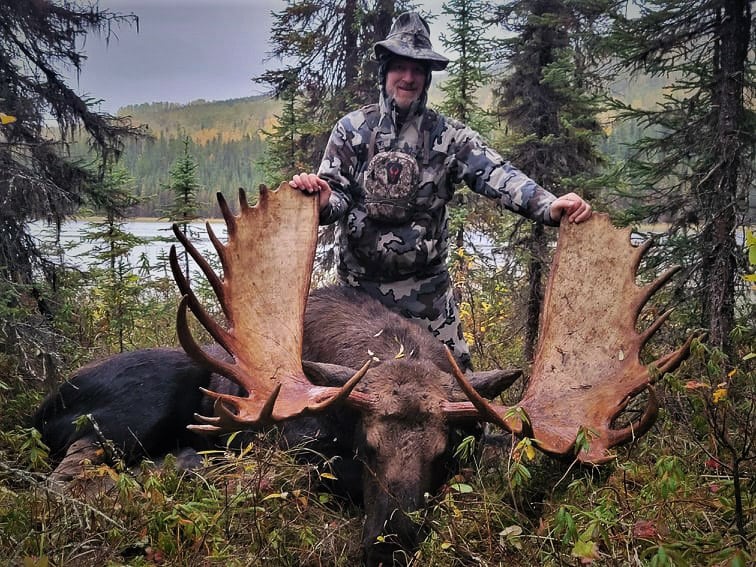
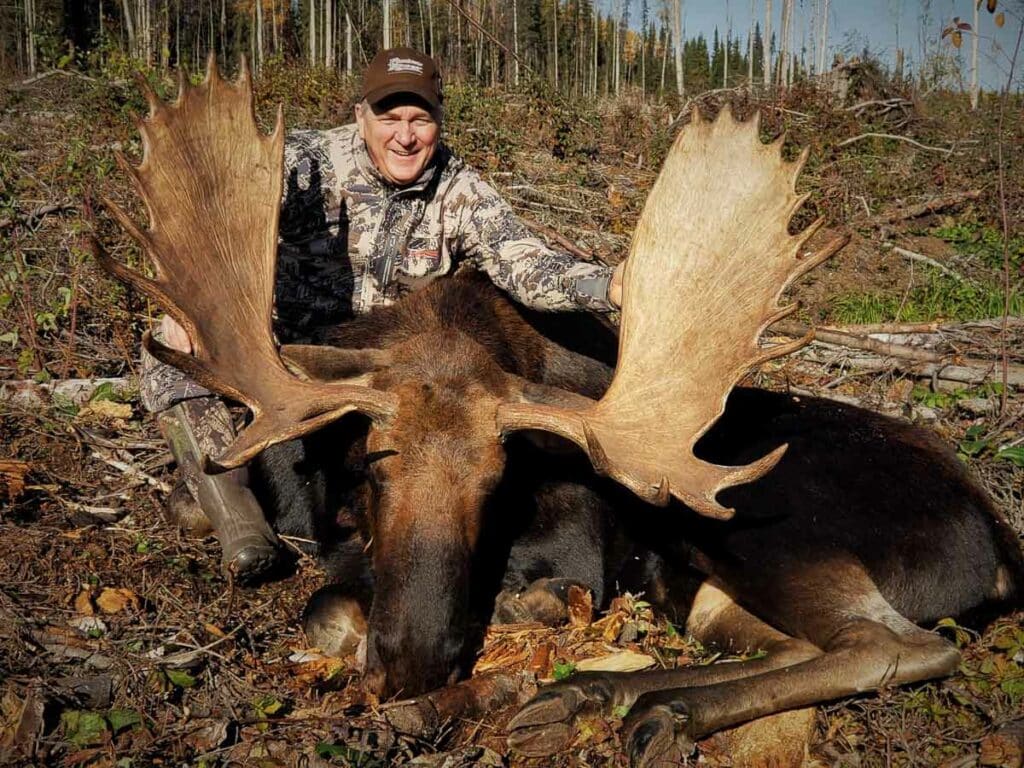
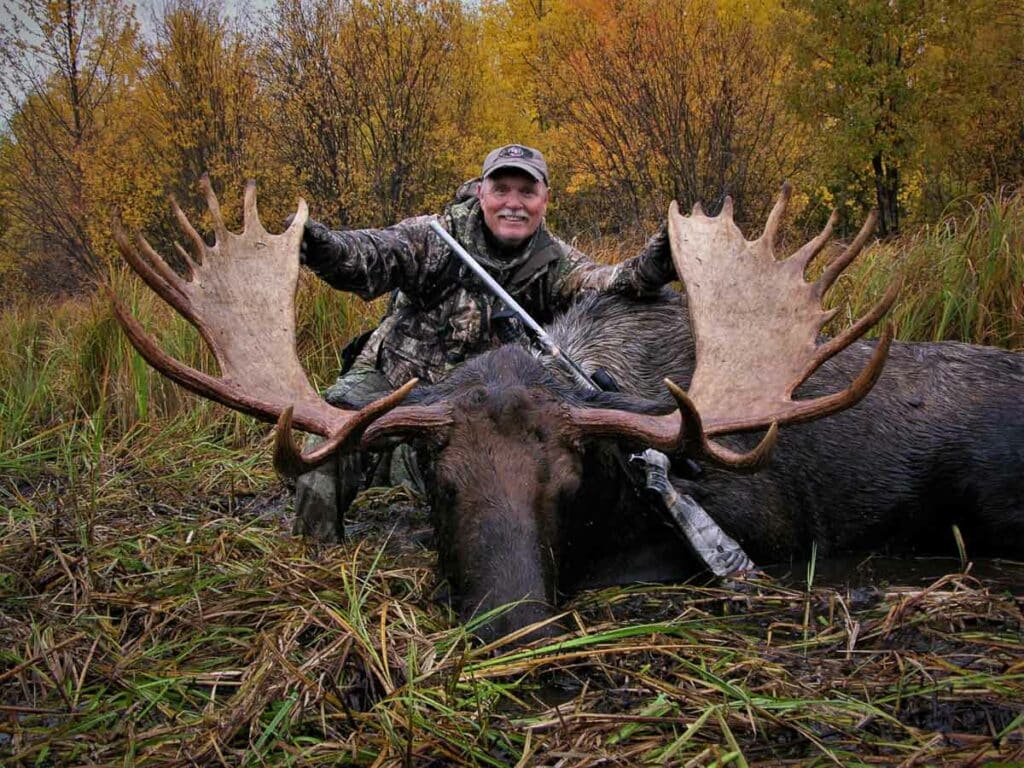
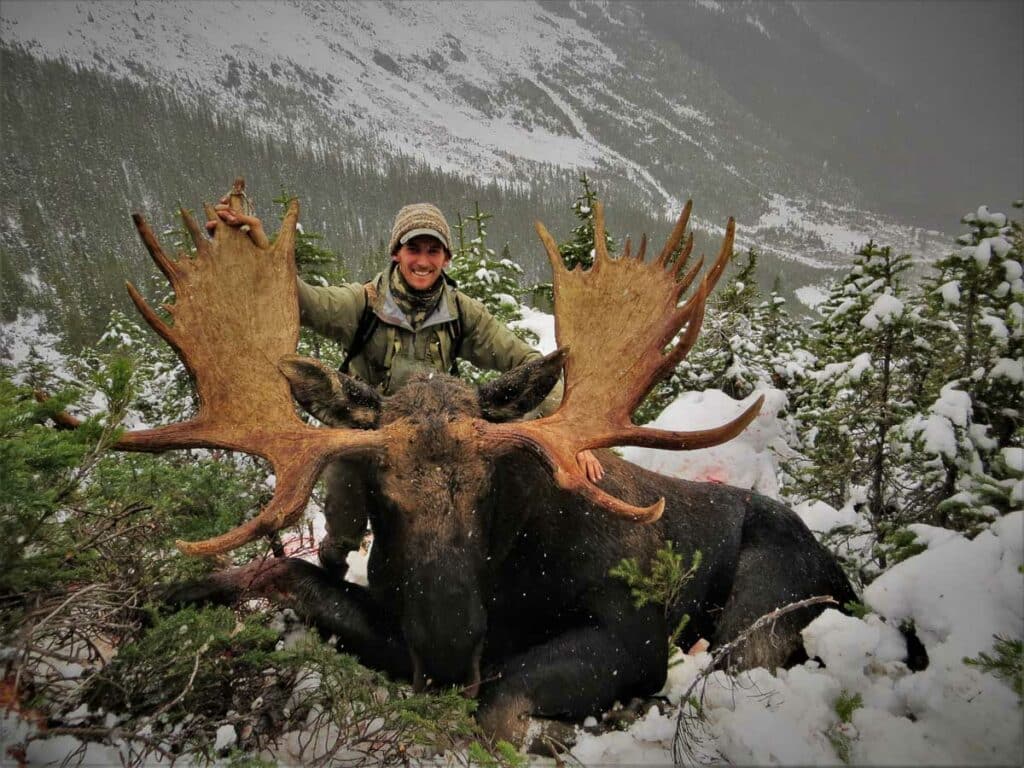
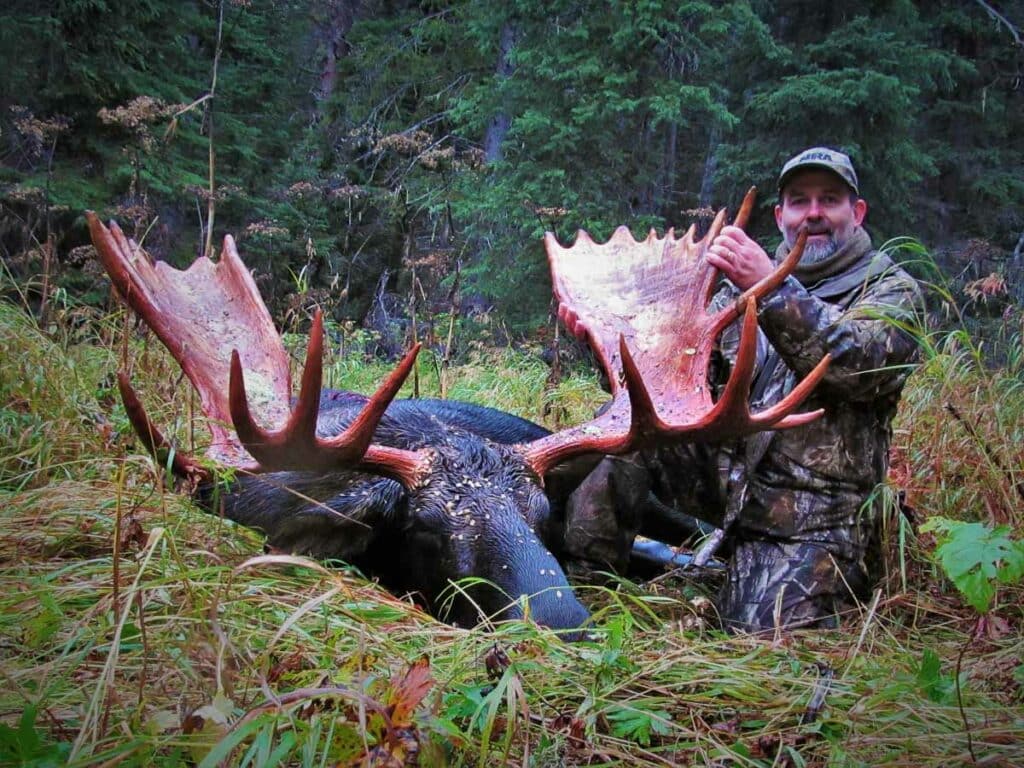
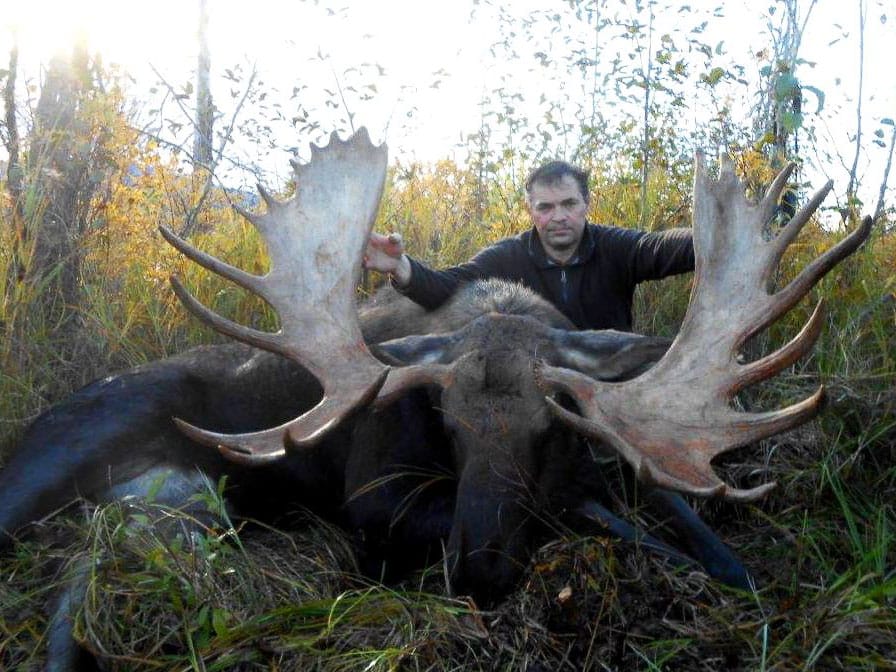
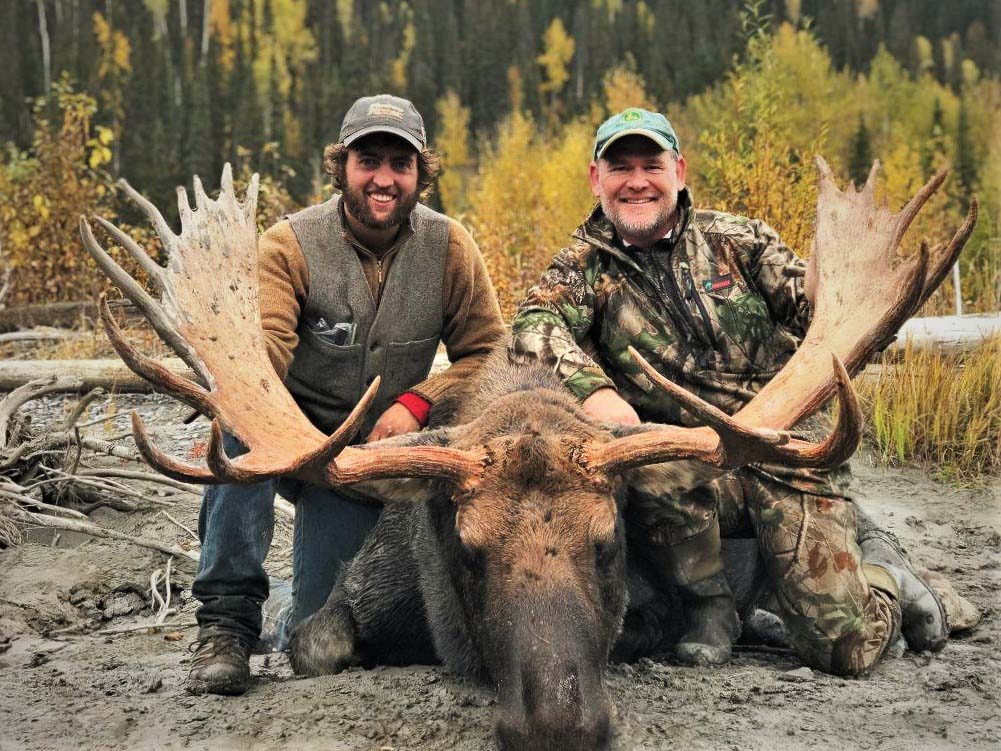
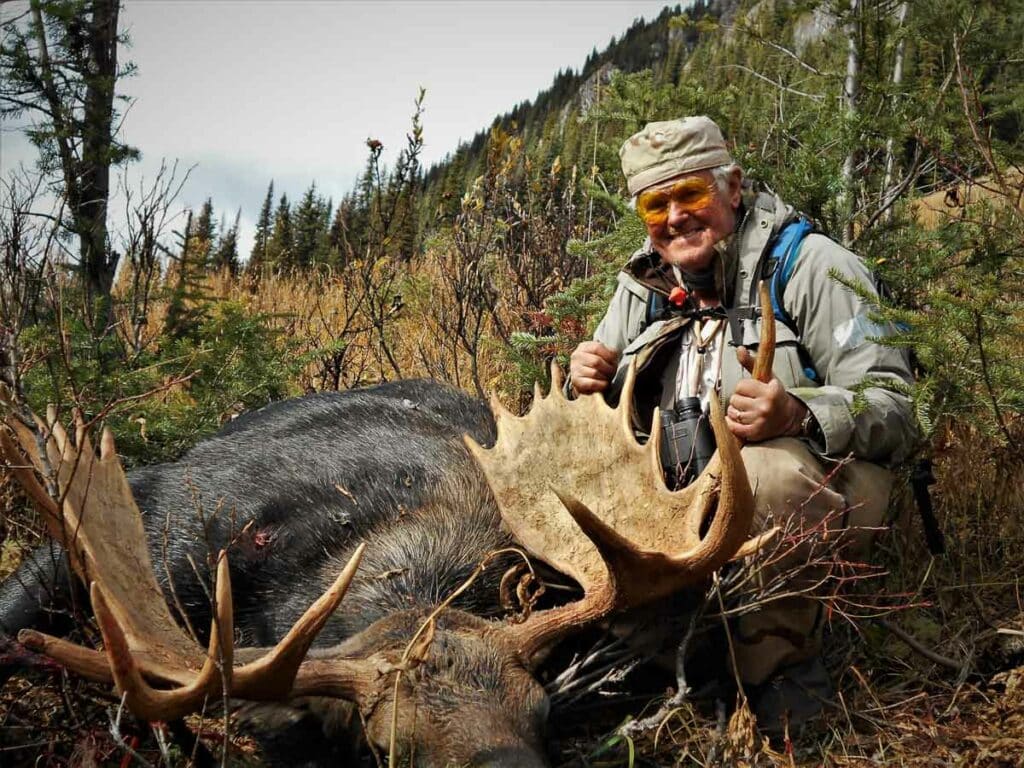
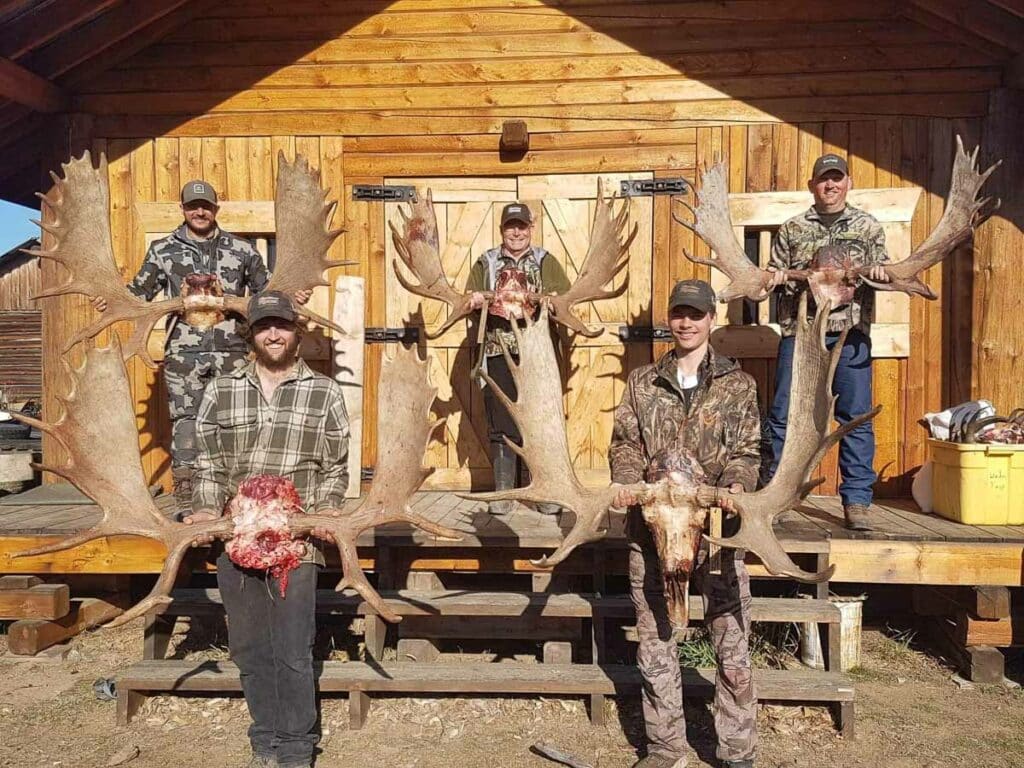
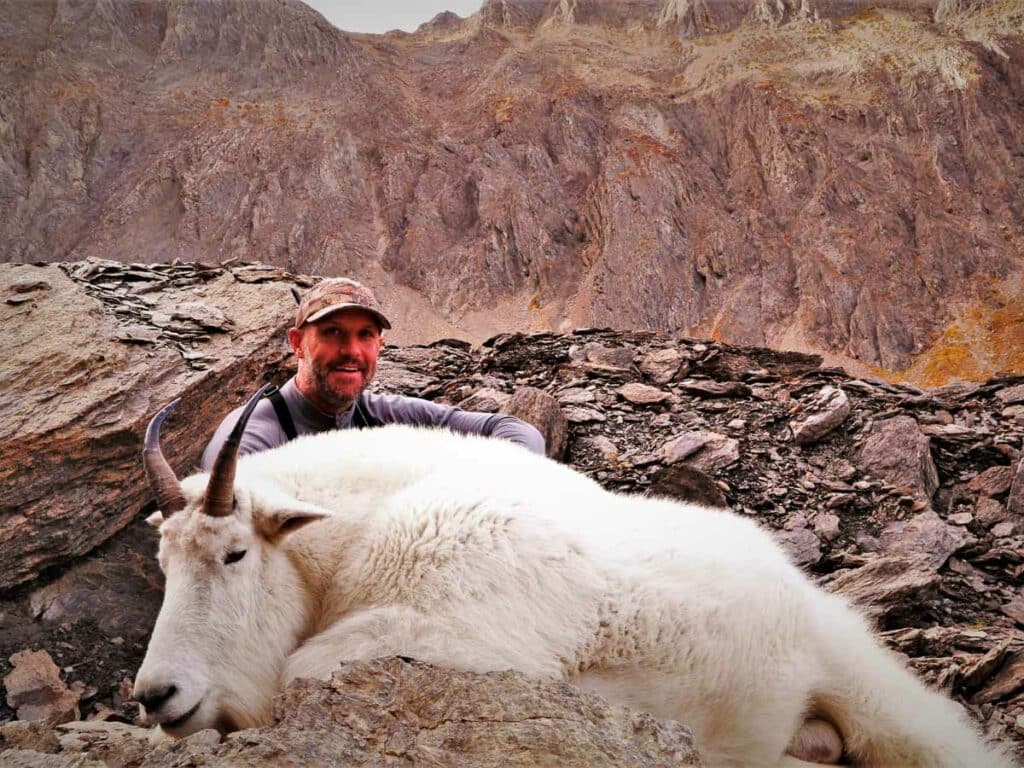
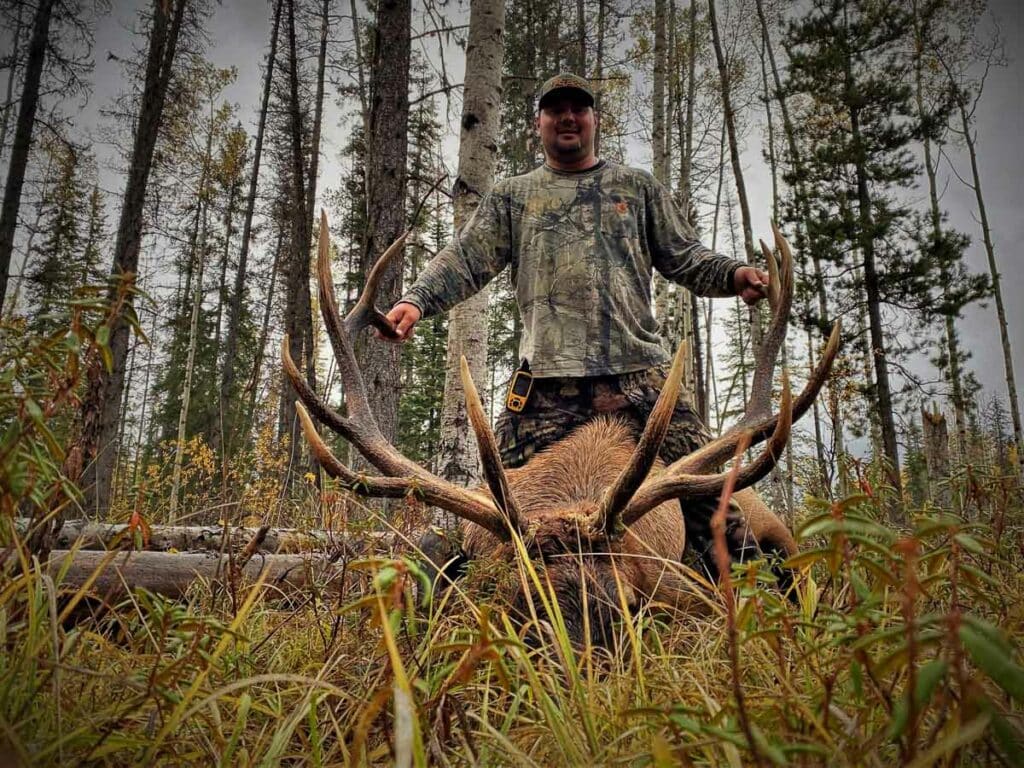
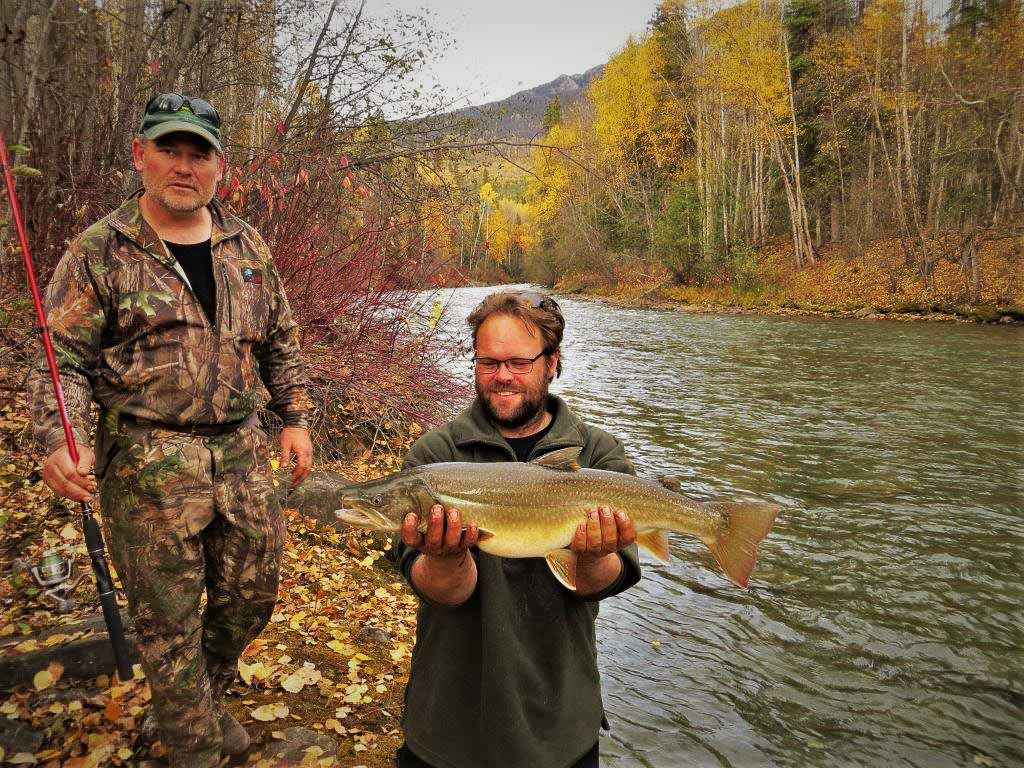
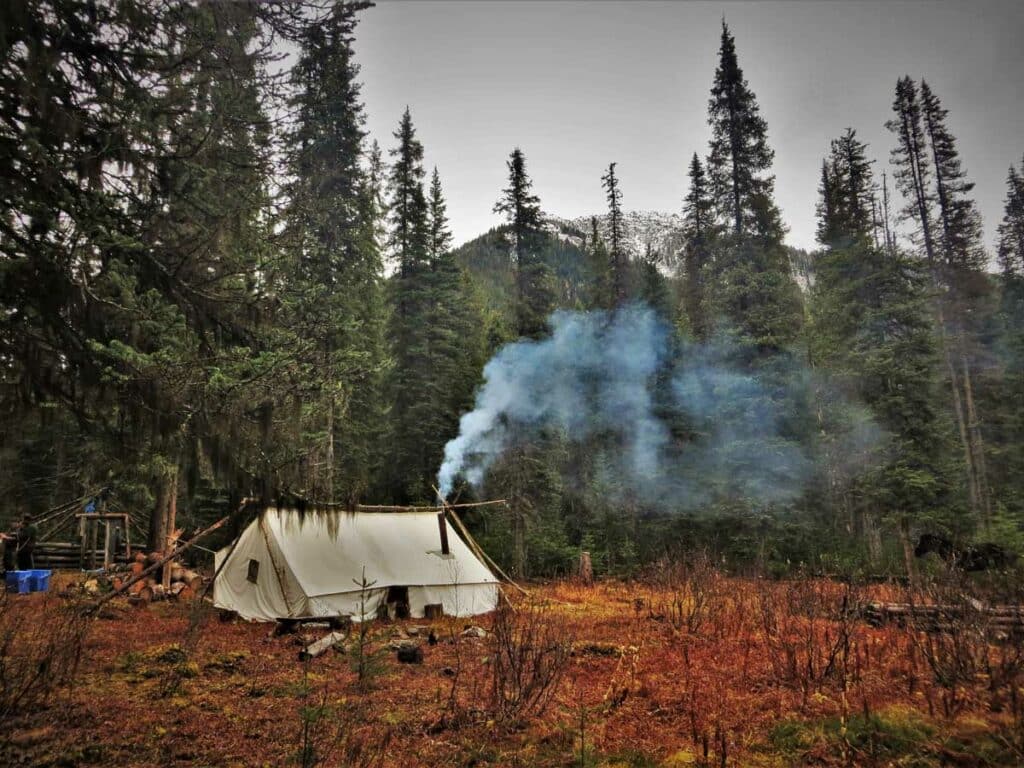
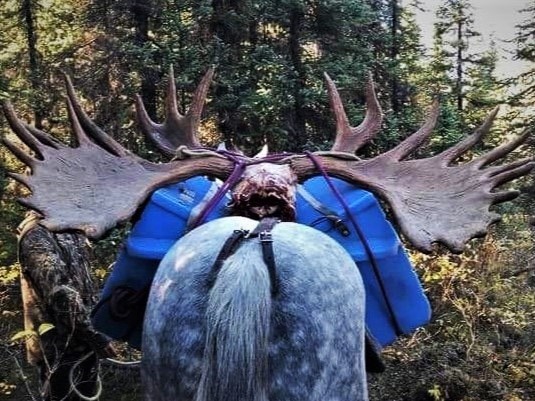

Target big Canada Moose in the heart of the Rocky Mountains with a veteran outfitter. Ten full days 1x1 guided during prime-time with a pocket full of tags ensures no one goes home empty handed on this remote, sub-alpine, wilderness, combo-hunt adventure!
PACKAGE DETAILS
PRICING
Trophy Mountain Hunts:
10 full days – 1x1 guided – x 1
(Goat, Moose or Elk)– Aug. - Oct.
- $15,000
Trophy Fee:
Opportunistic “stumble-on”
combo (Goat, Moose or Elk)
$4500 each plus licensing.
INCLUDED
- Airport shuttles- FSJ or PG, BC
- Cabin/tent camp lodgings
- Professional 1x1 guiding
- x10 full hunting days
- x3 hearty meals daily
- x9-12 pack horses/Wrangler
- Or 4x4 truck/jet boat–as needed
- All overland/river transportation
- Precision rifle rental & ammo
- 4x4 trucks, quads & snowmobile
- All fees for x1 big game species
- No trophy fees for Bears/Wolves
- Bonus Bull/Rainbow trout fishing
- Basic hide/skull taxidermy prep
- Basic meat preparations
- Delivery to local taxidermist
NOT INCLUDED
- 5% Government Sales Tax (GST)
- Travel to destination city
- Any pre/post hunt meals or hotels
- Round-trip air charter flights
- BC non-resident hunting licenses
- Tags - Goat/Moose/Elk/Bear/Wolf
- Fees for 2nd/3rd big game species
- Gratuities to guide & cook
- Alcohol (if desired)
- Meat or trophy export costs
- Taxidermy or hide tanning costs
- Personal purchases/Souvenirs etc.
UPGRADES & EXTRAS
- Extra hunting days: $1000/day
- Observer days: $175/day
- Charter Flights – Approx. $1200
- Rifle Rental/ammo - $500
- BC Hunting License - $189
- Hunter Preservation Fund - $200
- Mountain Goat Tag - $370
- Western Canada Moose Tag - $265
- Rocky Mountain Elk Tag - $265
- Black Bear Tag - $189 (x2)
- Wolf Tag - $55 (No limit)
- Fishing license - $75
Trophy fees for additional game;
- Moose/Mtn Goat/Elk: $4500 (due upon successful harvest or wounding/loss)
- Black Bears & Wolves: No Trophy Fee
Northern BC is famous for producing lots of big bull Moose! Remoteness coupled with expansive prime habitat lets the species thrive in these vast isolated valleys. Hunt with a proven family run outfit with over 30 years’ experience, who have been managing their Moose herd by under harvesting the annual quota. The result has been consistent hunting encounters with big mature bull Moose.
Focus on the peak Moose rut which spans mid-September to mid-October when conditions are prime. Glassing & calling from various strategic locations are the primary hunting tactics. Average bulls are around 50 inches, with the largest stretching the tape to 65 inches. The wild factor is equally huge.
At 10 days, 1x1 guided, this is a true wilderness adventure. Hunters can cover the most terrain on horseback, but some hunts are run by jet boat. Trek deep into the backcountry spending the nights in either wall tent camps, small trappers cabins, or spike out as needed to be in the right spot for dawn in each morning. Great opportunity to combine with Mountain Goat or even Elk on a trophy fee, and enjoy any bonus opportunities at Wolves, x2 Black Bears, or incredible trout fishing at no additional cost!
Experience the raw sub-alpine wilderness on this customizable combo hunting adventure in Northern BC. It leaves most hunters humbled but hardened, feeling like they earned it. Taste that satisfaction with some freshly seared Moose steaks over an open fire…
MORE INFO
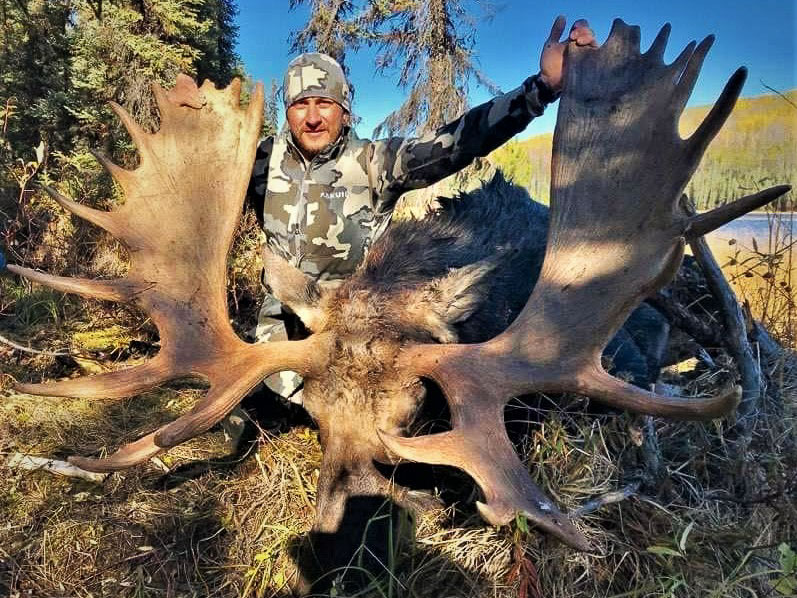
"Wow! The outfitter and his crew were great. My guide always had a plan and knew how to find moose. They can accommodate any style of hunt, and clearly know what they are doing. My near 60-inch Northern BC bull is a testament of that. Thanks Adrian!"
Marty, WY, USA
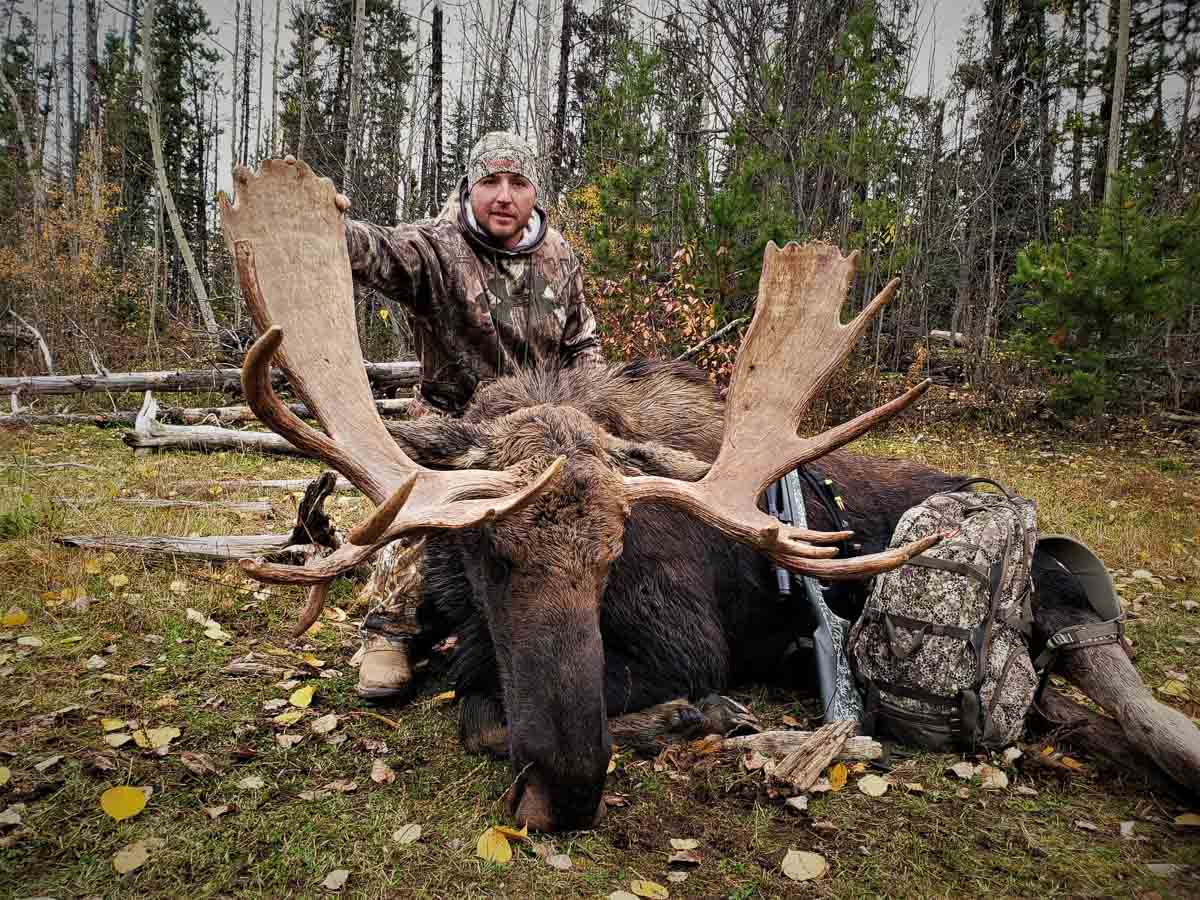
"This hunt was something I’ve always wanted to do. The outfitter made me feel like part of the family. I outfit myself, and would say they run things top notch! We put on many miles & saw some amazing country. I would recommend this hunt. It’s a true wilderness experience. Can’t wait to go back!"
Brent, SK, CAN
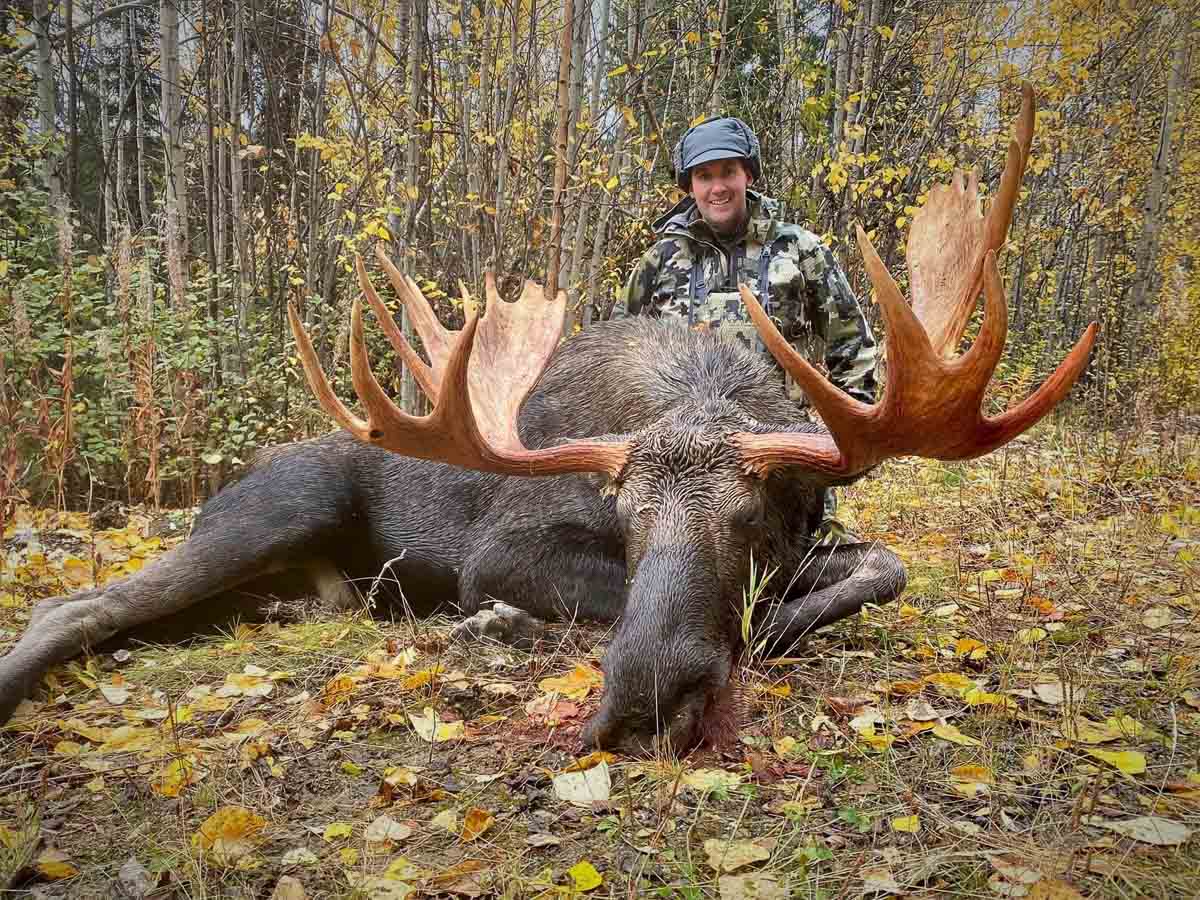
"You could not dream up finer backcountry or a harder working crew. A place of pristine wilderness where many game species grow big. Goats, Moose, Elk, Bears… Fair chase hunting in northern BC at its finest! I’ll be sure to return again another year. Adrian and TAIGA can help make it all happen!!"
Scott, AB, CAN
Have Any Questions?
OR
JOIN THE TAIGA MAILING LIST
All pricing in $USD. Information and pricing are subject to change without notice.