CANADA: NEWFOUNDLAND - EASTERN CANADIAN MOOSE
6 DAYS - $7850
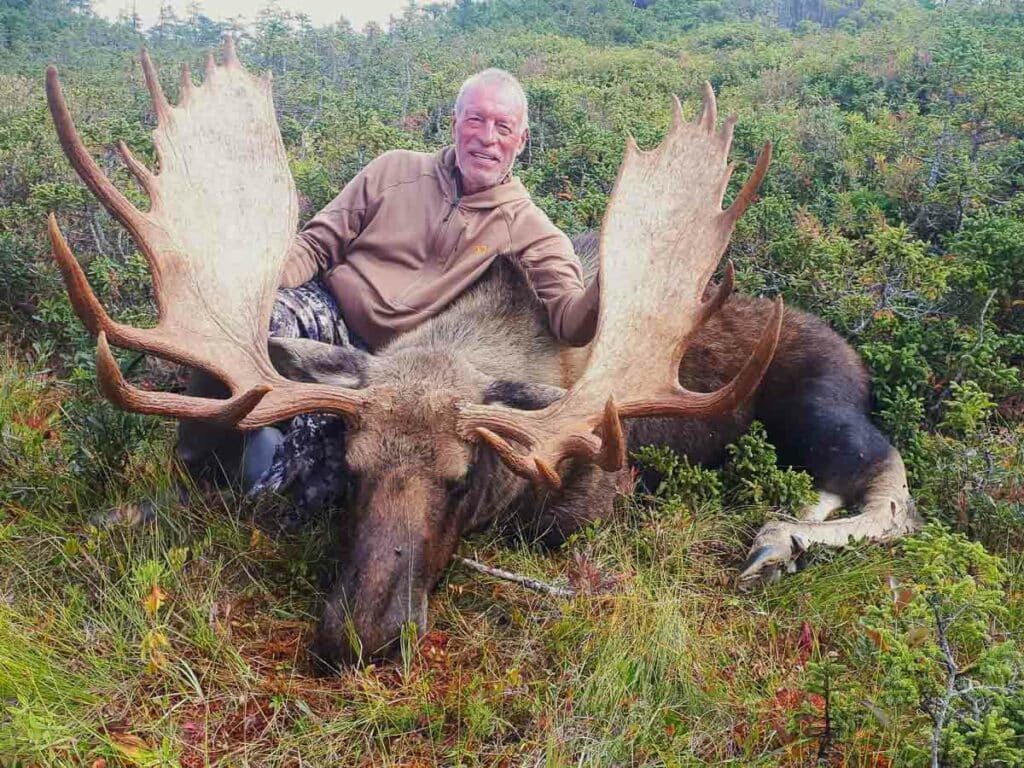

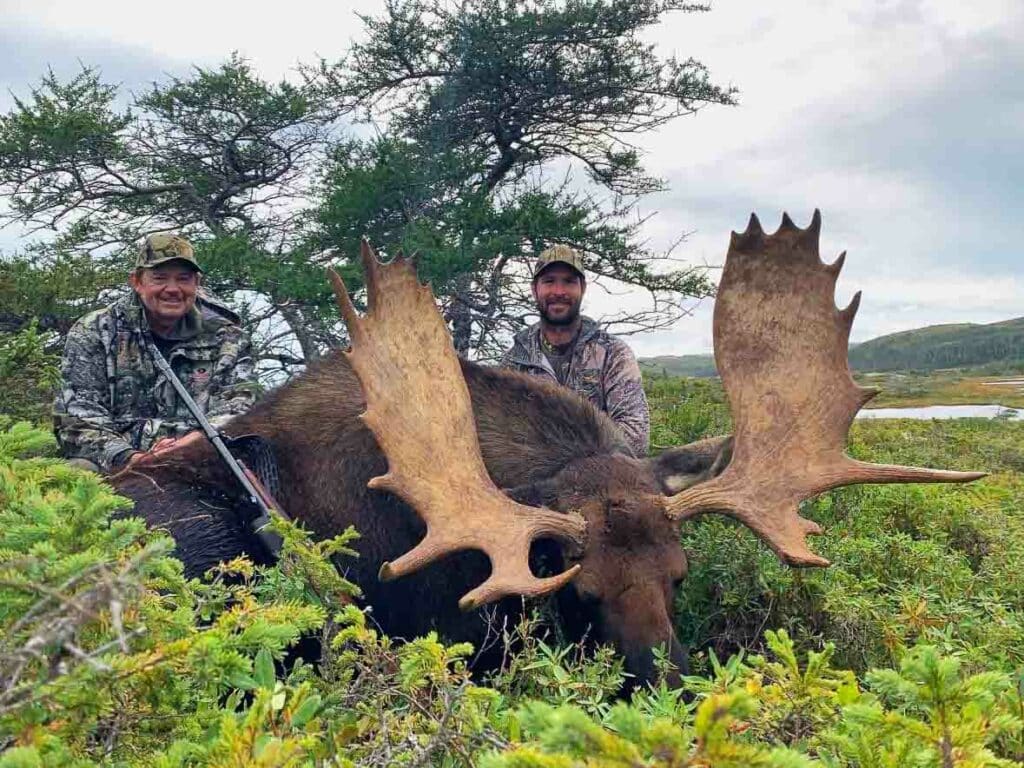
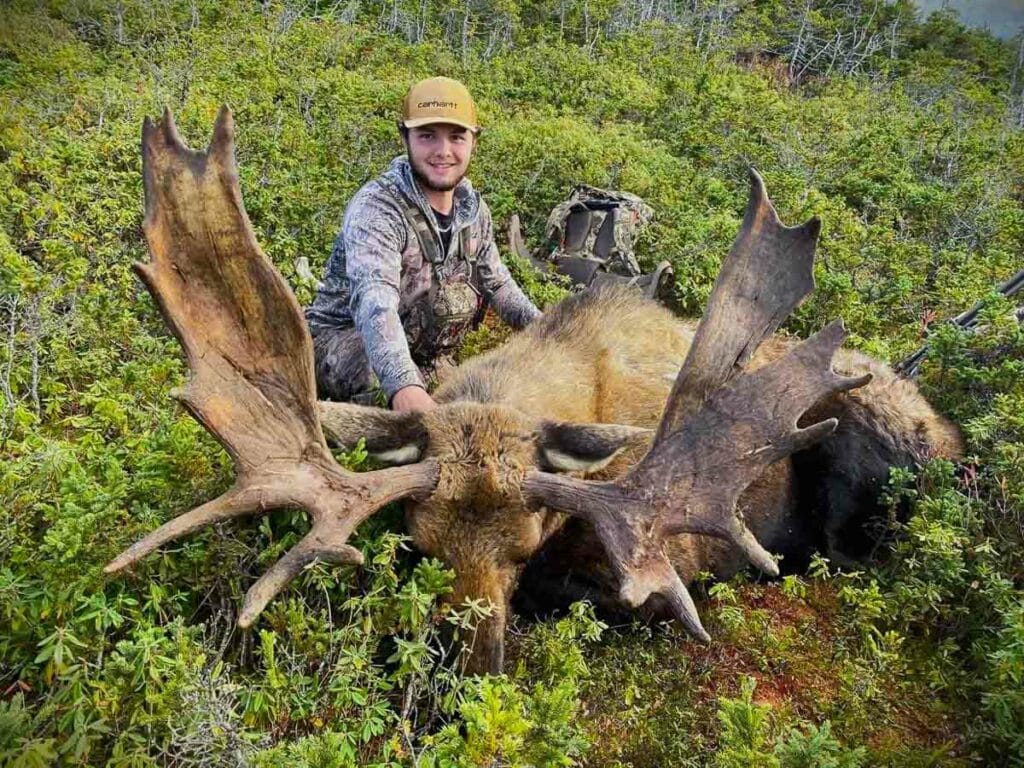
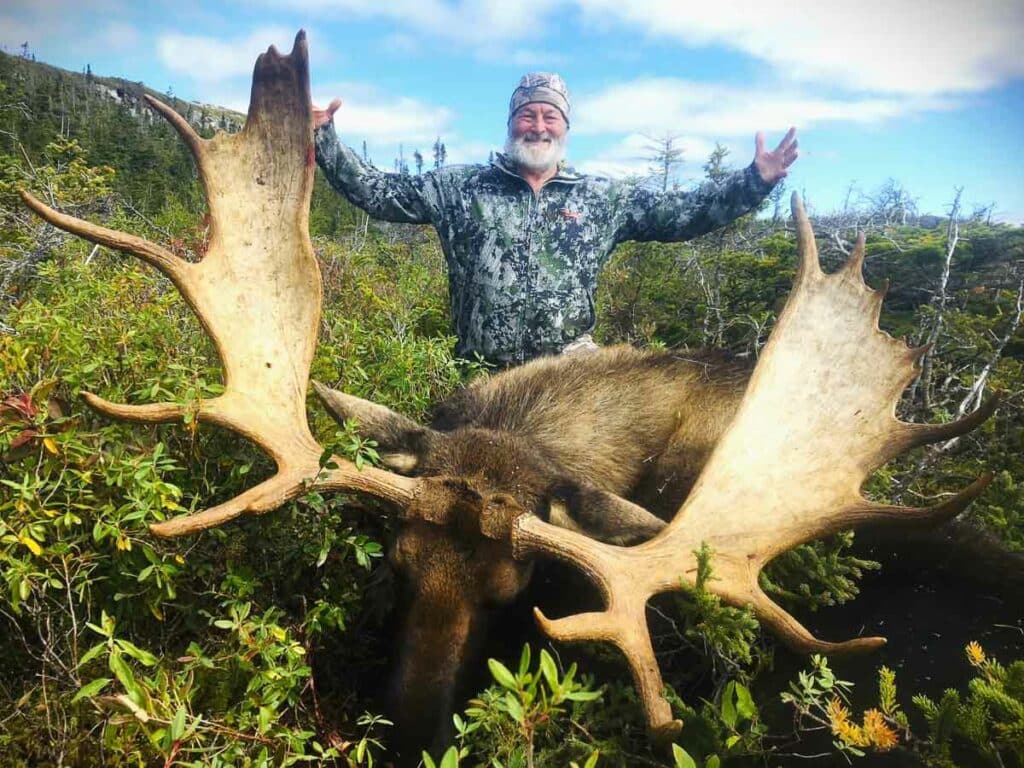
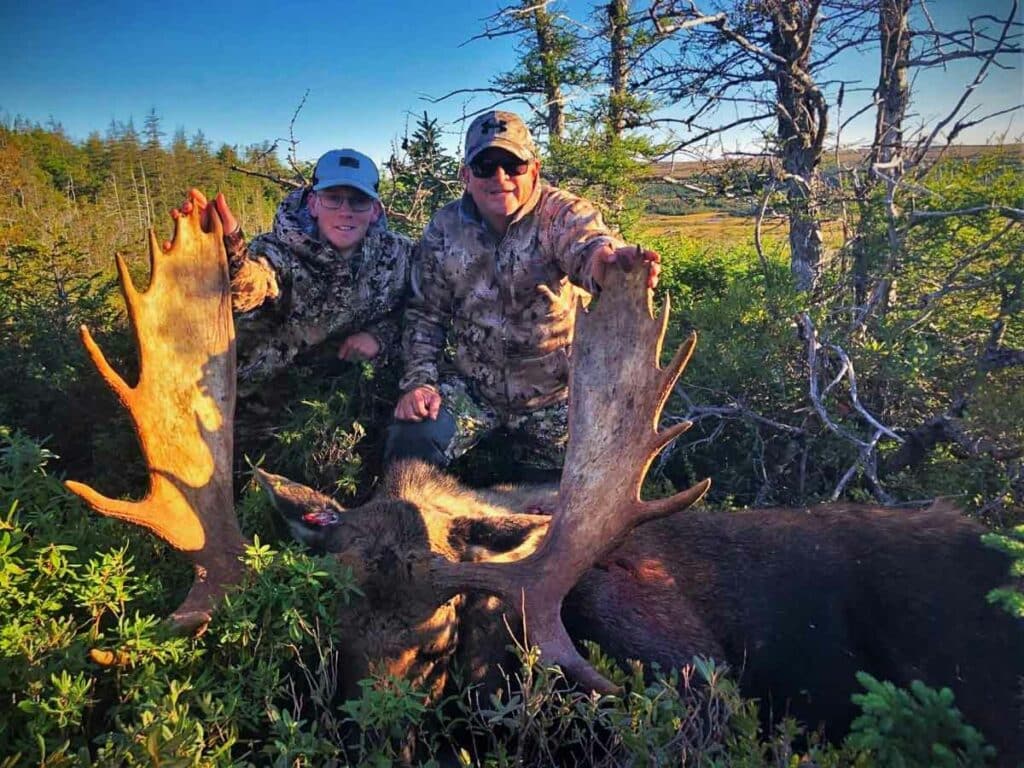
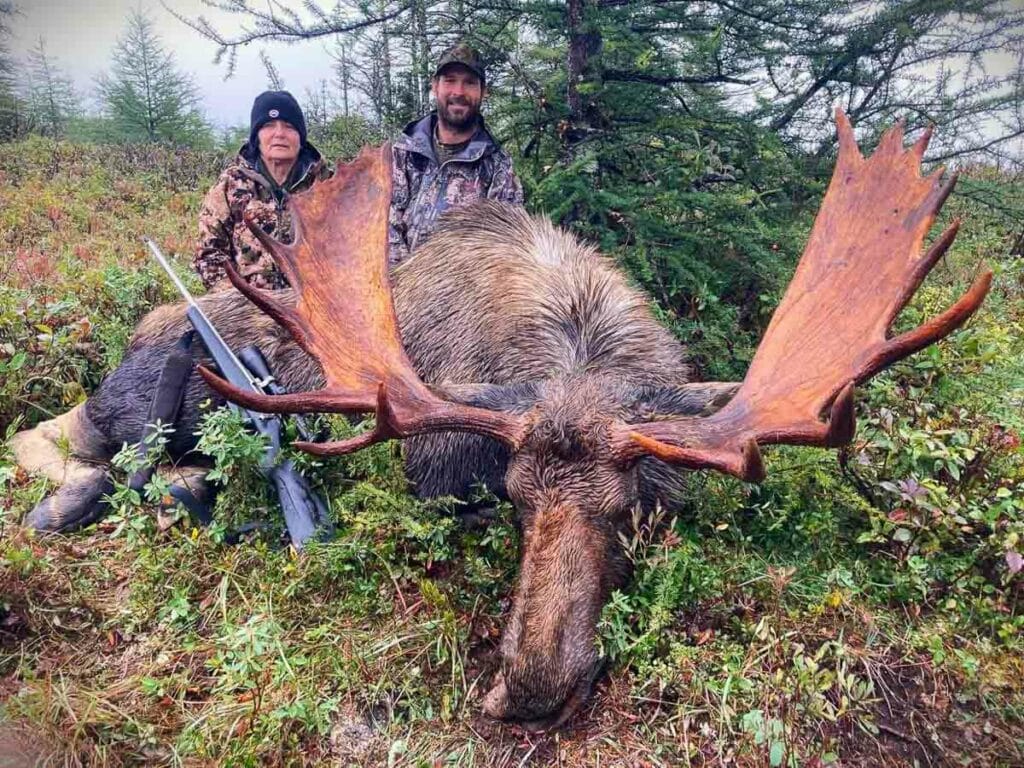
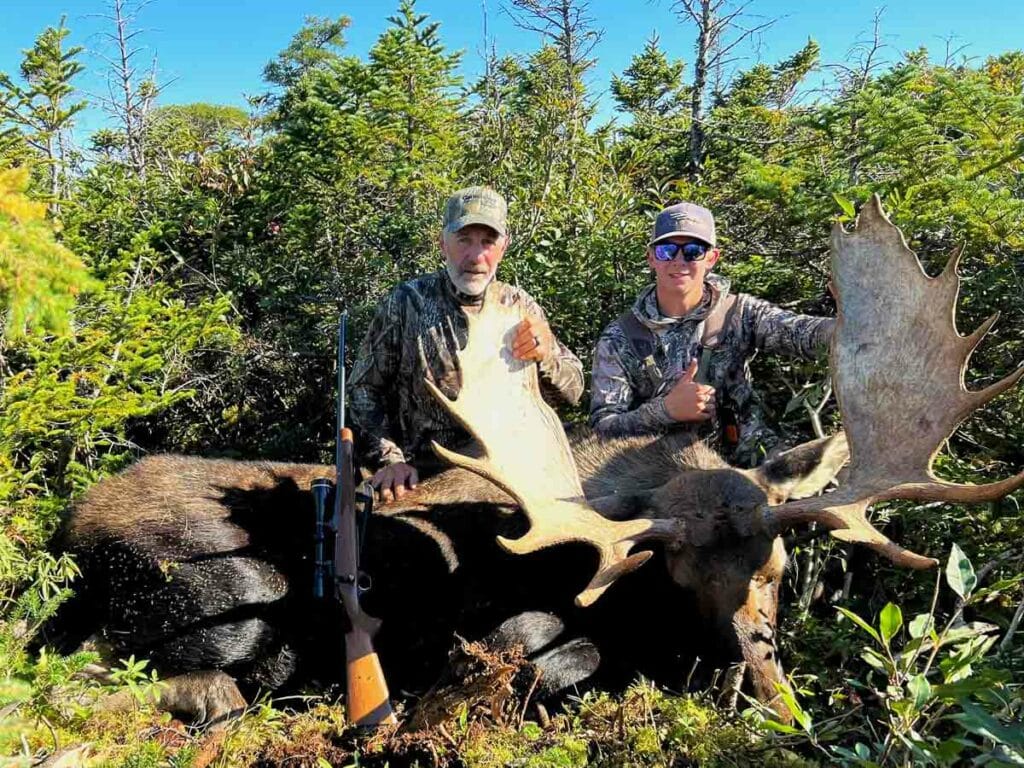


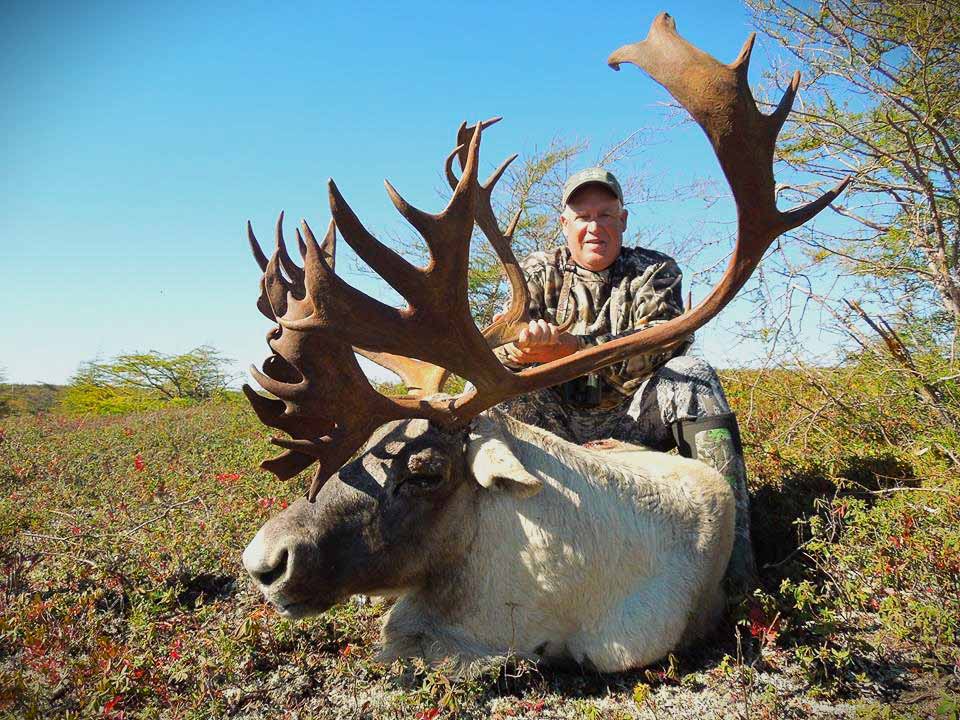
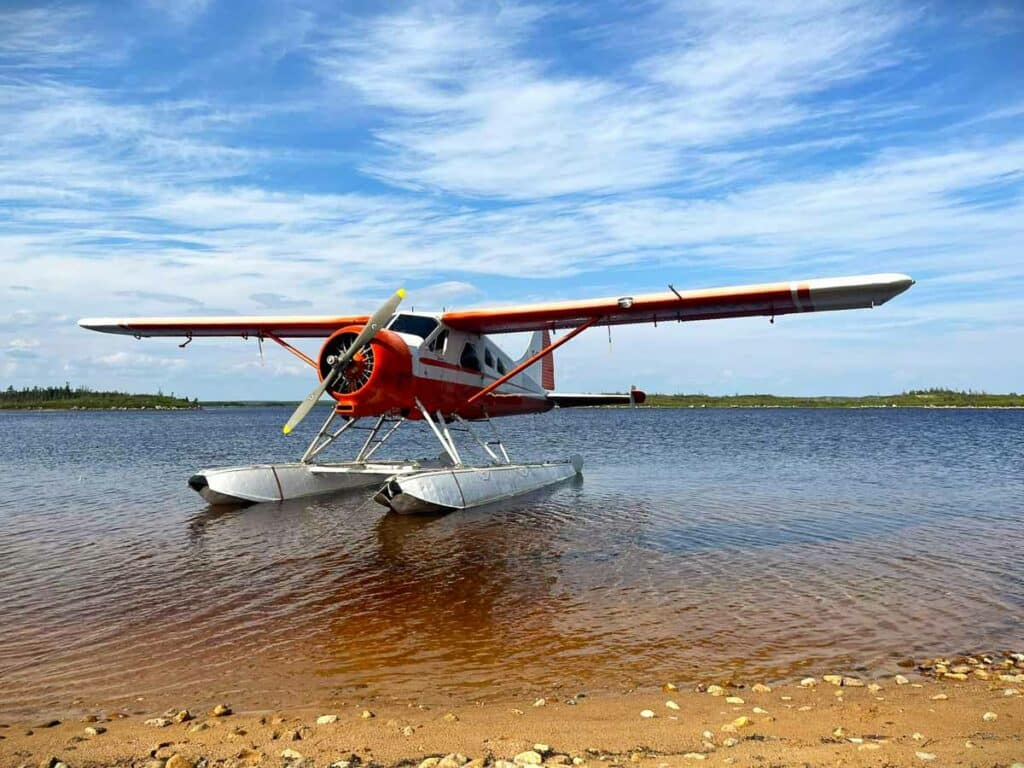
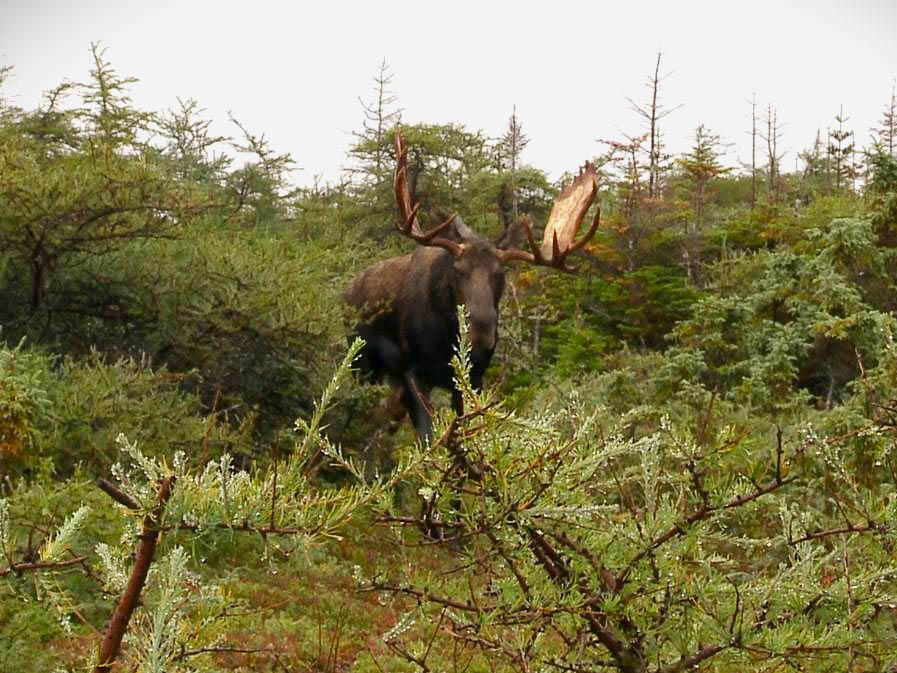
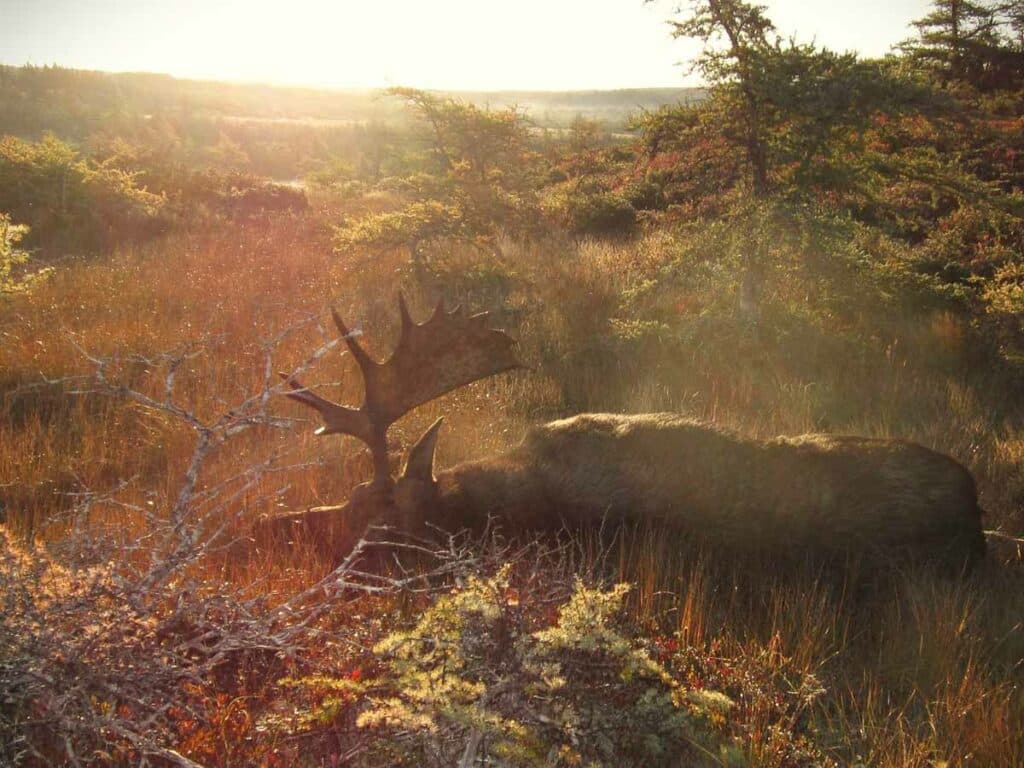
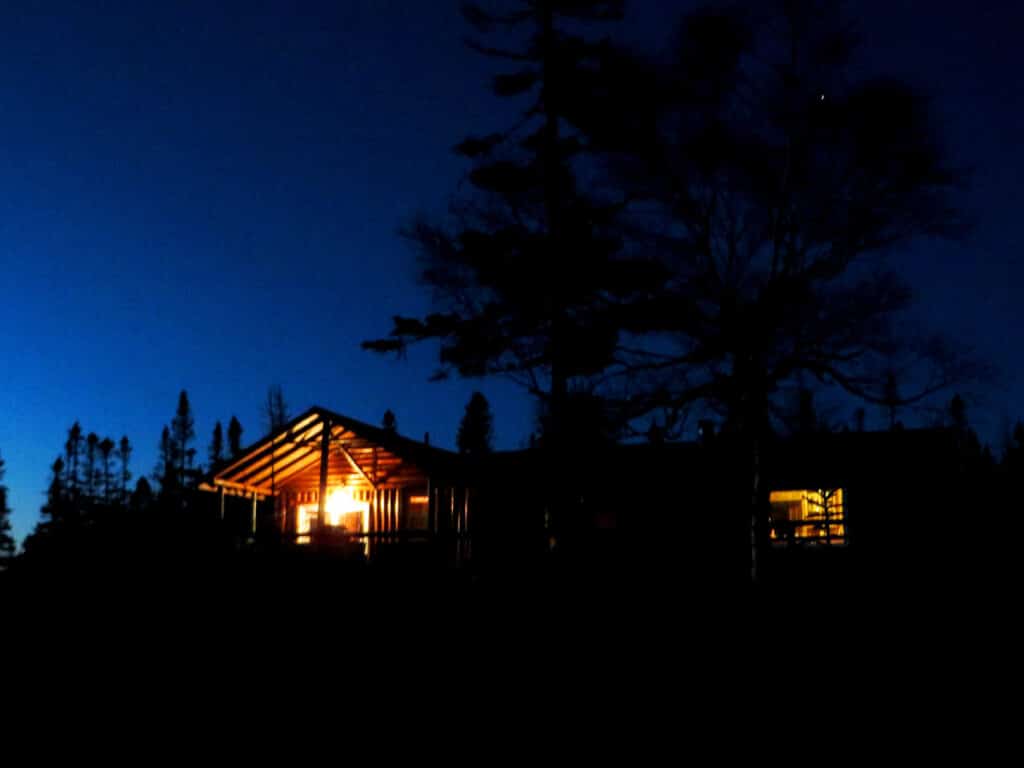
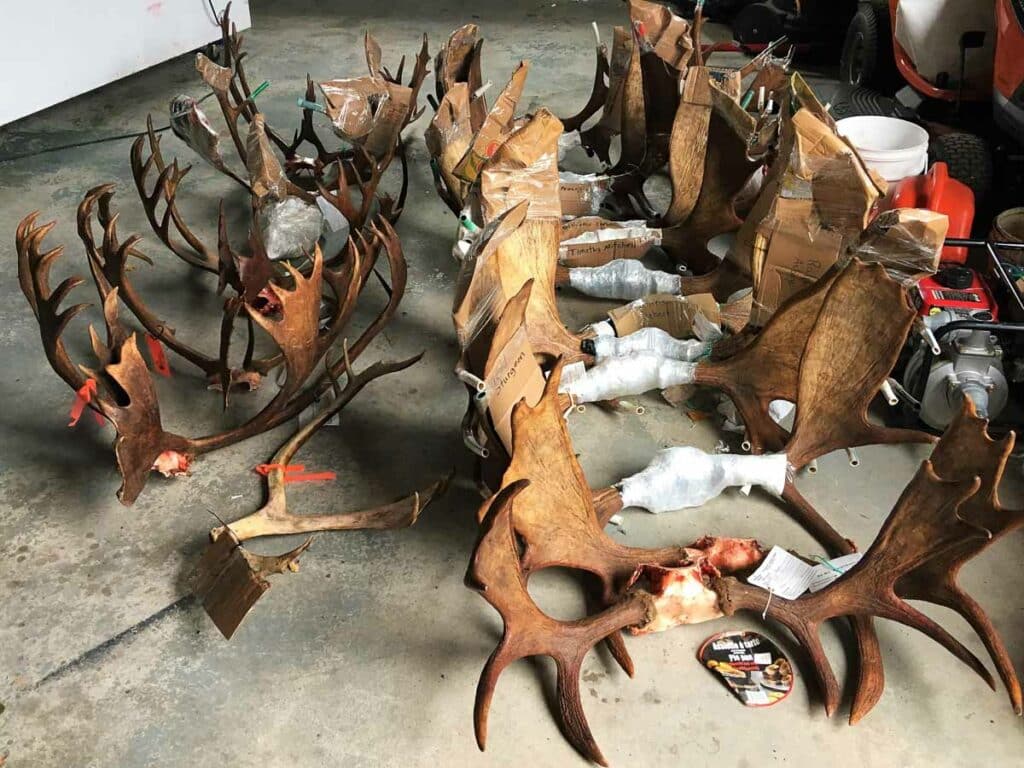
The world’s densest moose population, dozens of remote fly-in camps, helicopter moose extraction, charter flights included, excellent value & success rates for 40+ inch Moose – are all reasons this might rank as TAIGA most popular and frequently rebooked package!
PACKAGE DETAILS
PRICING
Regular Moose hunt: 6 days – 2x1 guided – x1 bull moose – Sept. - Oct. = $7850
Trophy Moose hunt: 6 days – 1x1 guided – x1 bull moose – Sept. - Oct. = $11,700
Trophy (12 day) Moose hunt: 12 days – 1x1 guided – x1 bull moose – Sept. - Oct. = 15,800
NFLD Slam hunt: 12 days – 1x1 guided -x1 Moose/Caribou/Black Bear – Sept. - Oct. = $36,200
INCLUDED
- Round trip airport shuttles
- Round trip air charters to camp
- Helicopter Moose extraction!
- All meals during hunt
- Comfortable cabin/tent lodgings
- NO Size Restrictions
- Professional 1x1 or 2x1 guiding
- All ground transport during hunt
- Basic meat & trophy prep
- Delivery to local taxidermist
NOT INCLUDED
- 15% government sales tax
- Travel to destination city
- Any pre/post hunt meals or hotels
- All hunt licensing & tags
- Gratuities to guides and staff
- Rifle rental & ammo (if needed)
- Alcohol (if desired)
- Detailed meat prep/packing/export
- Taxidermy costs & trophy export
- Side ventures/Tourism
- Personal purchases/Souvenirs etc.
UPGRADES & EXTRAS
- Extra hunting days:
$3000/extra x6 days - if possible
- Observer days:
$3000/extra x6 days - if possible
- Rifle Rental: $300 - if needed
- Hunting license & Moose tag: $502
- Caribou license & tag: $675
- Black Bear license & tag: $150
- Detailed moose processing:
$500+ butchery/packaging
Trophy Fees for Additional Game;
- “Stumble On” Black Bear:
$800 + license/tag
(Applies to Moose only hunts)
Arguably one of TAIGA’s most popular and best value packages. Introduced in 1904, the “Rock” now boasts the densest population of moose on earth. Hunt top-producing areas on the fabled island of Newfoundland with a proven outfitter, offering consistent 80%+ success rates at 40+ inch bulls.
Personally owning seaplane bases, and piloting his float planes and helicopters enables our outfitter to access the entirety of his vast outfitting territories with no third-party flying services. This results in top-notch hunt logistics and overall experience, not to mention VIP helicopter moose extractions!
Servicing Newfoundland’s western coast and central interior, our outfitter has literally dozens of cabin and camps options to rotate and choose from. Choose between 6 or 12 full-day, professionally guided, remote fly-out hunts that see virtually no resident hunting pressure. Regular camps are exclusive to parties of 3, with a max of 4 - perfect for a group of buddies.
Special trophy hunts occurring in special areas, such as on grandfathered allocations in Provincial Parks, offering the pinnacle of Eastern Canada Moose hunting. Trophy hunts are often conducted from generator powered tent camps versus cabins, with room for only 2 hunters per week, and come with a relocation charter flight if needed at no cost, to keep looking for a top-quality bull.
Seasons span from late Aug to mid Nov, with the prime rut occurring early Sept-Mid Oct. The “Newfoundland Slam” for Caribou, Moose and Black bear is also available but extremely limited. If you are looking for a proven, affordable, quality moose hunt with excellent success rates and a great overall experience…you just found it!
MORE INFO
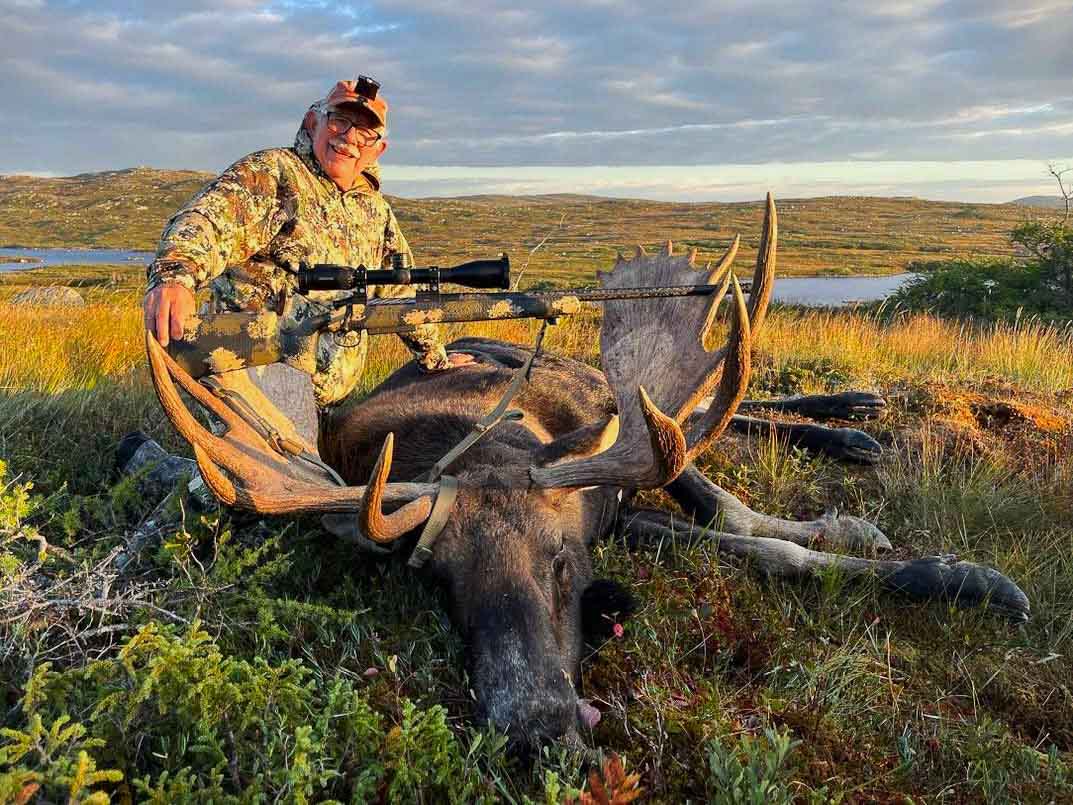
"Can’t say enough good things about Adrian and TAIGA. Spot on with the outfitters he partners with, and Adrian’s advice and service has always been helpful. We’ve planned a number of hunts together, this day 1 Newfie Moose was one of them! Alberta Elk last year, Romania Fallow next year."
Don, OH, USA
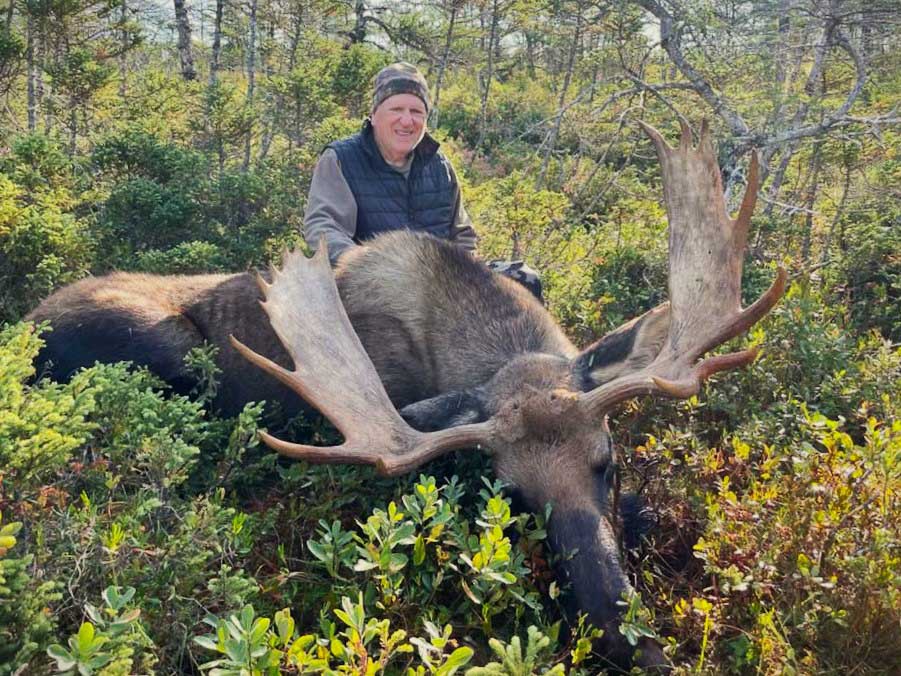
"What a hunt! Three friends and I traveled to Newfoundland for a fly in moose hunt. After an exciting week we emerged with 4 good bulls! Adrian came through once again, putting us with one of the best outfits I have ever hunted with. Great hunting area and experienced guides!"
Ed, PA, USA
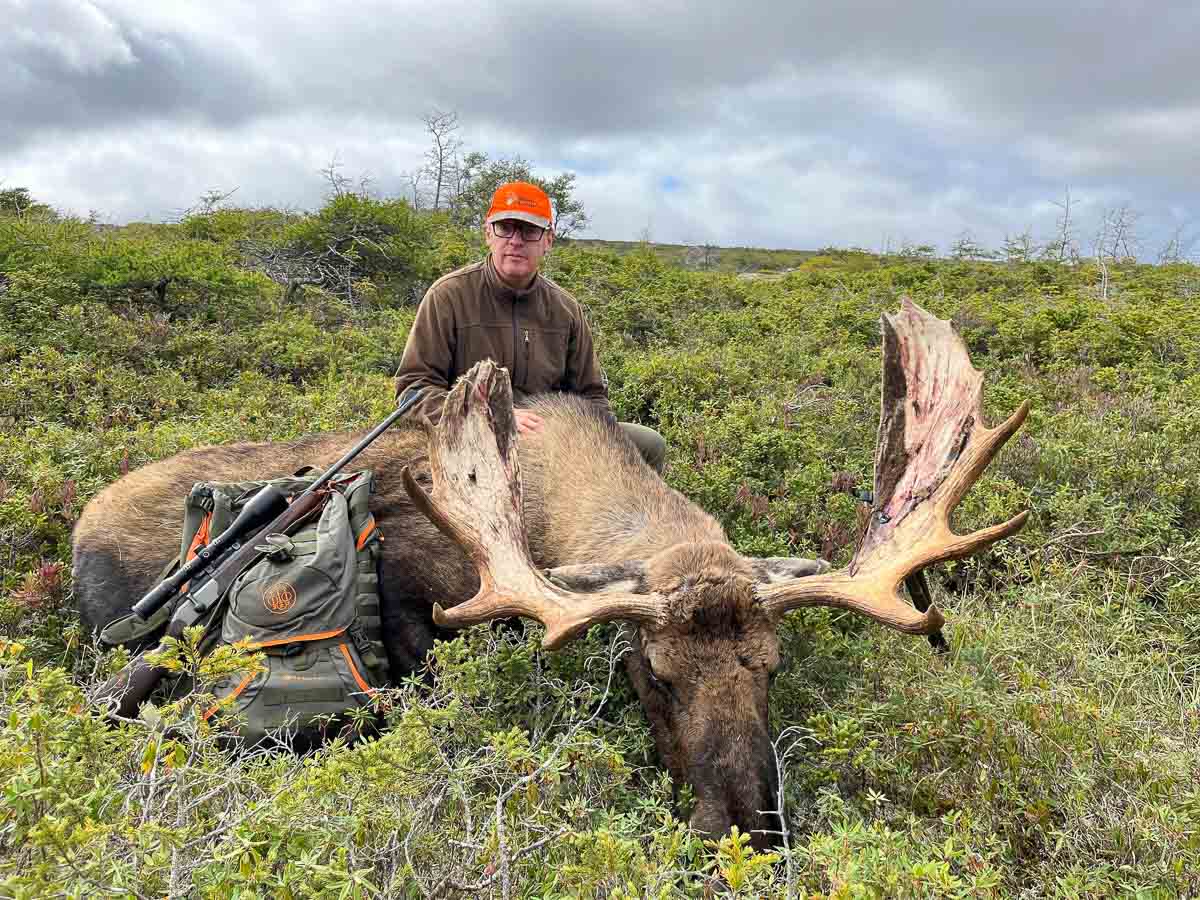
"It was the trip of a lifetime planned since a while. It was so amazing, I’m sure I will be back soon. People, services, landscapes, territories and hunting emotions were perfect! Harvesting a magnificent animal as a bull moose will remain forever in my memories."
Andrea, ITALY
Have Any Questions?
OR
JOIN THE TAIGA MAILING LIST
All pricing in $USD. Information and pricing are subject to change without notice.