CANADA: NEWFOUNDLAND - WOODLAND CARIBOU
6 DAYS - $27,500
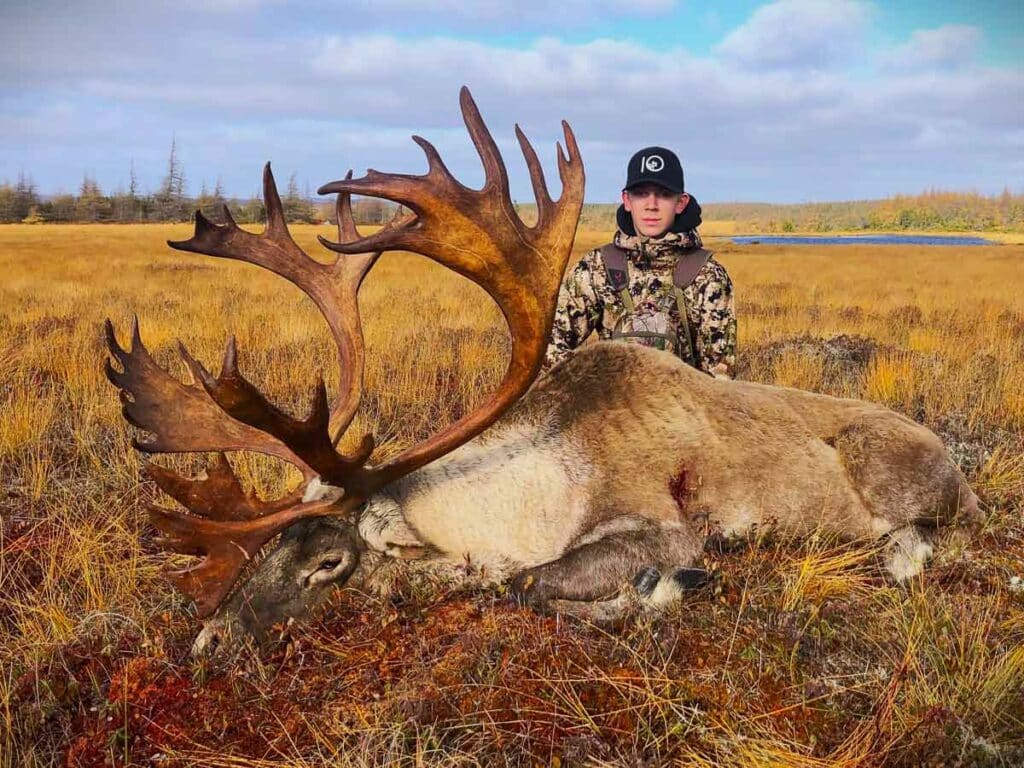
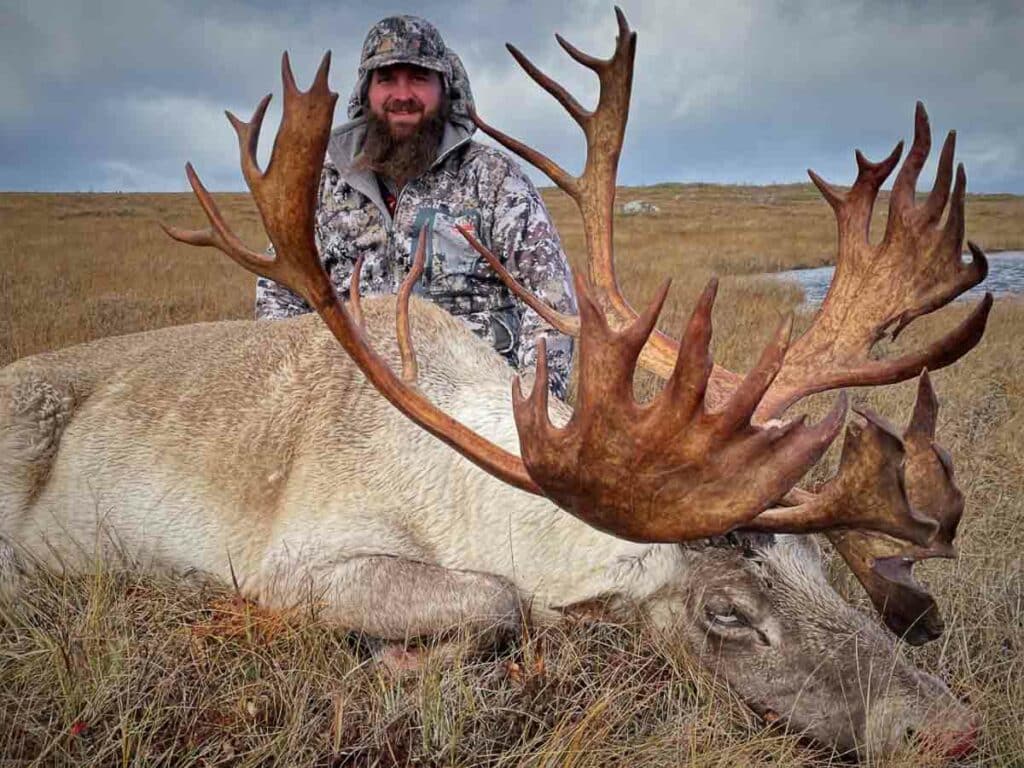
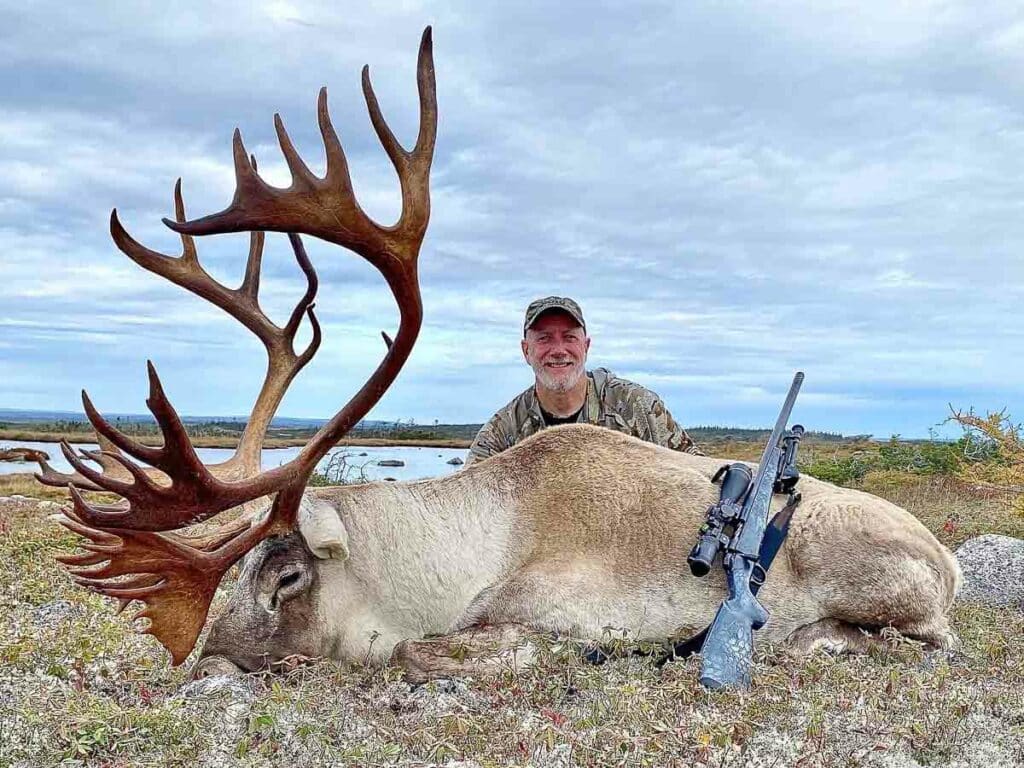
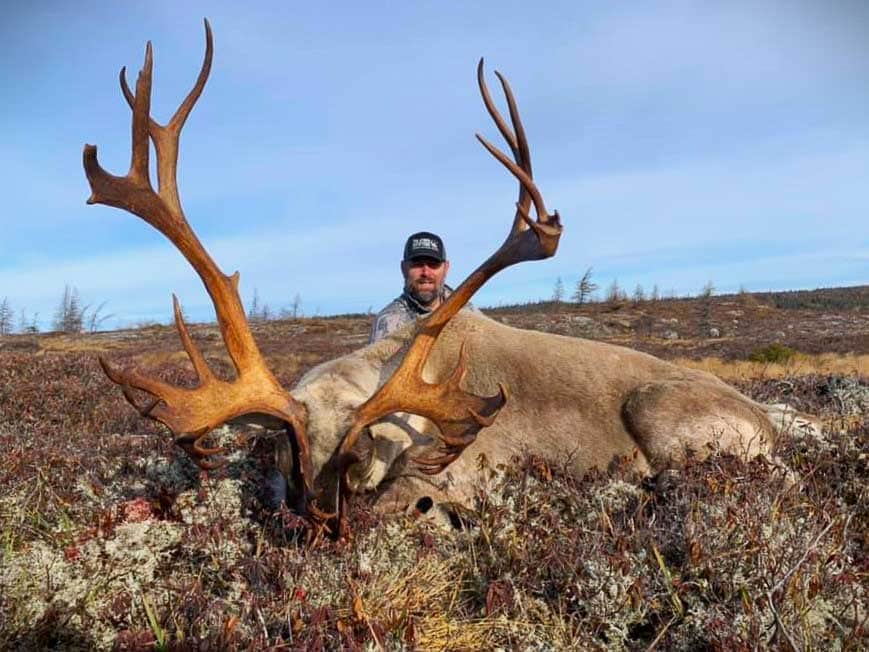
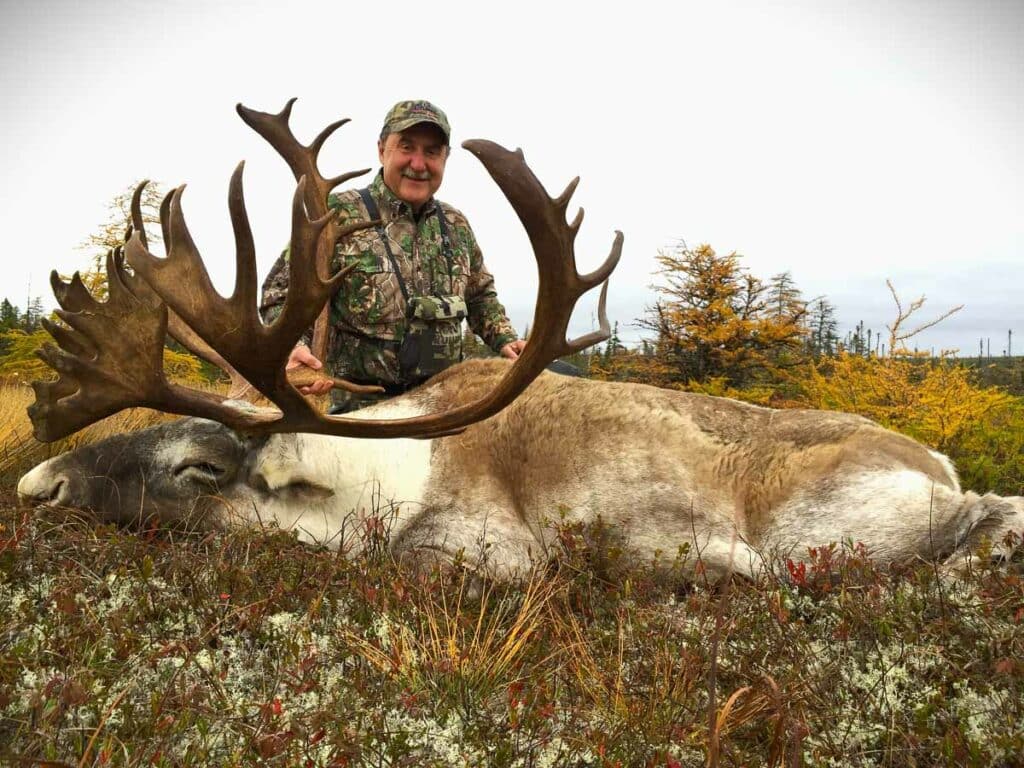
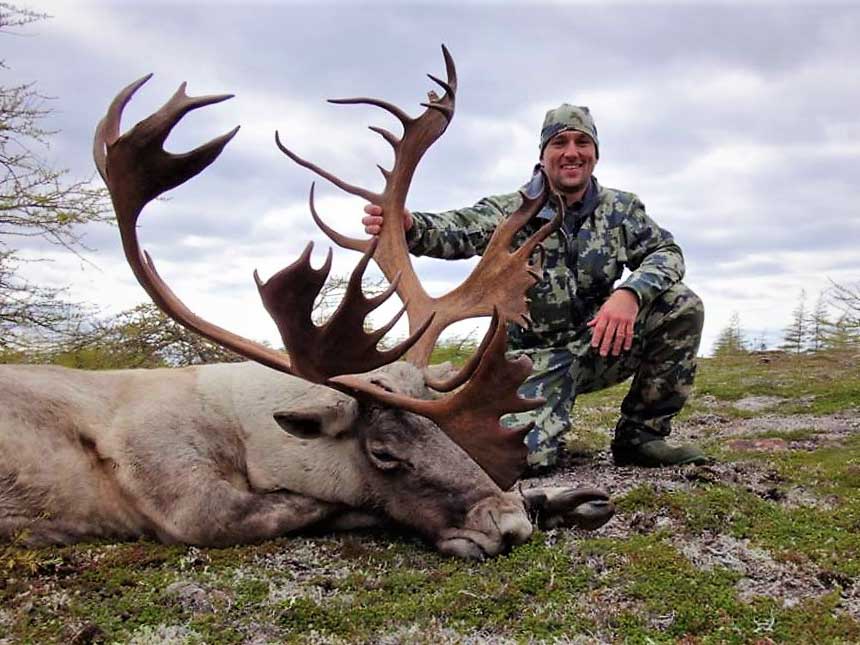
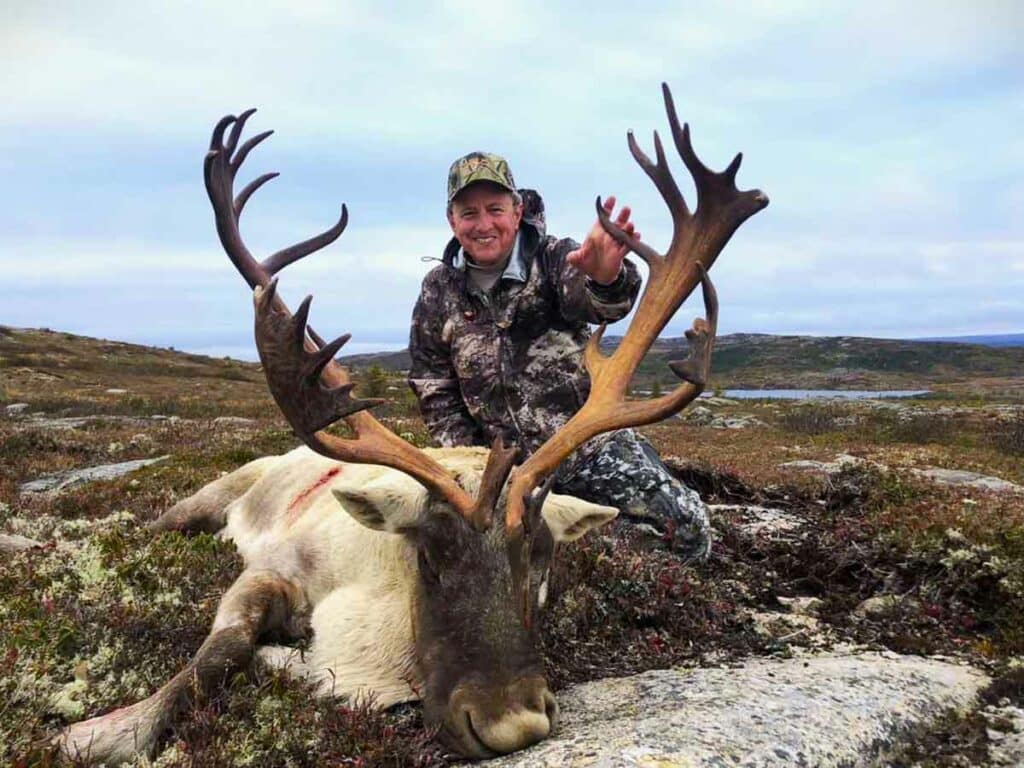
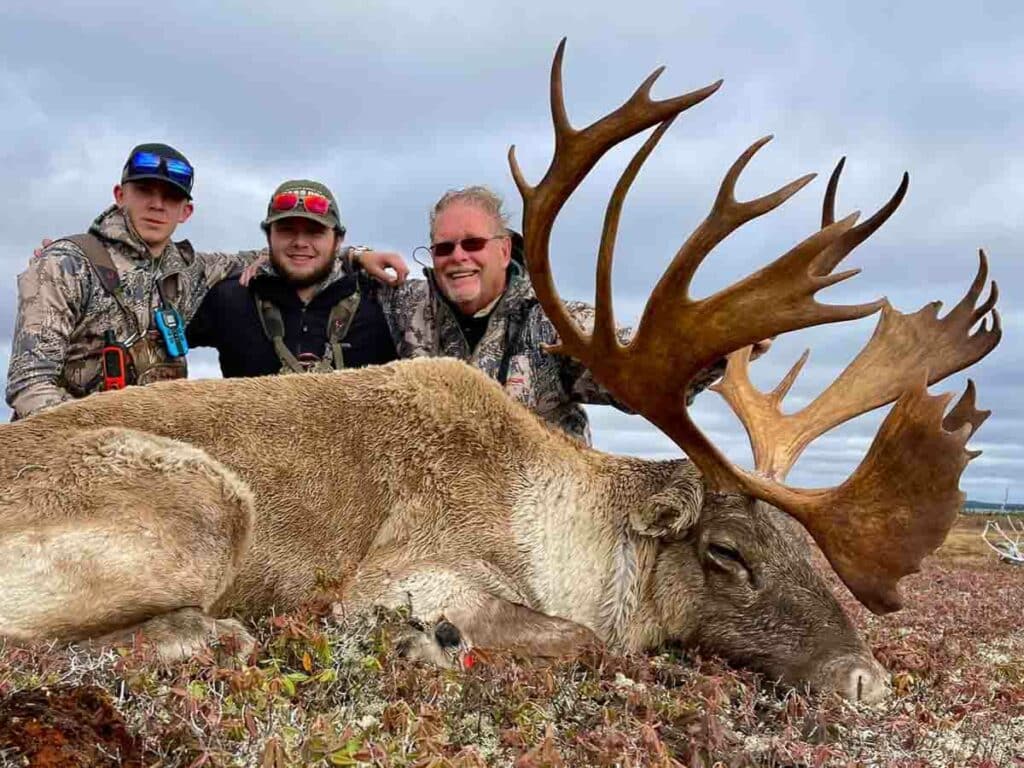
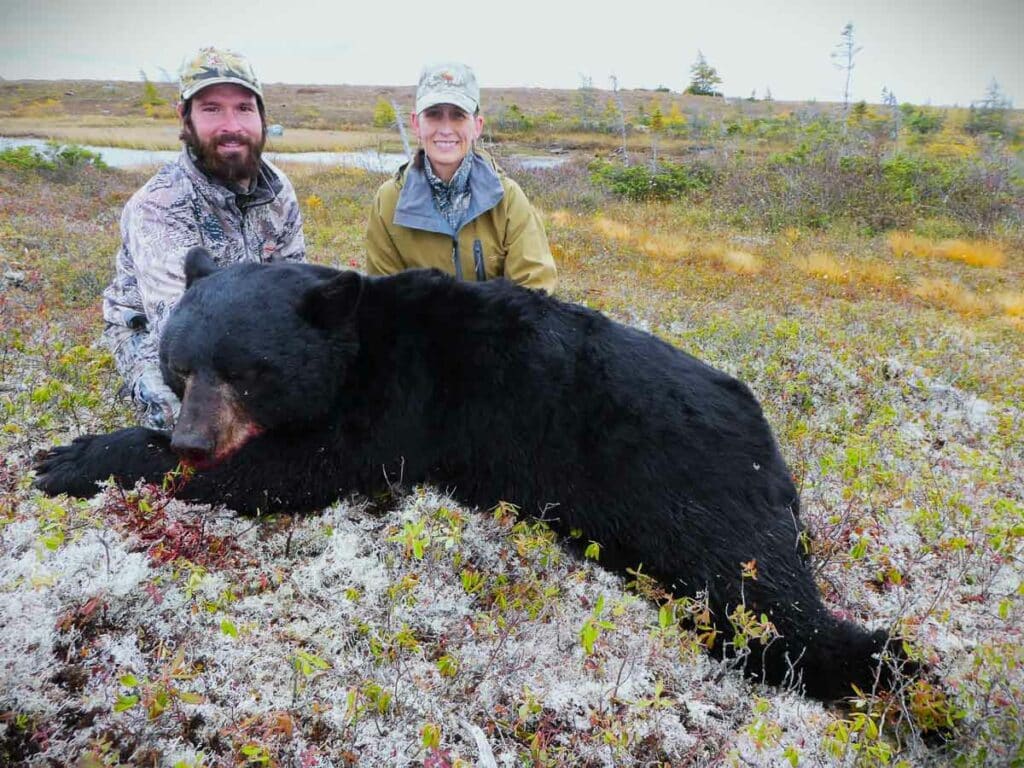
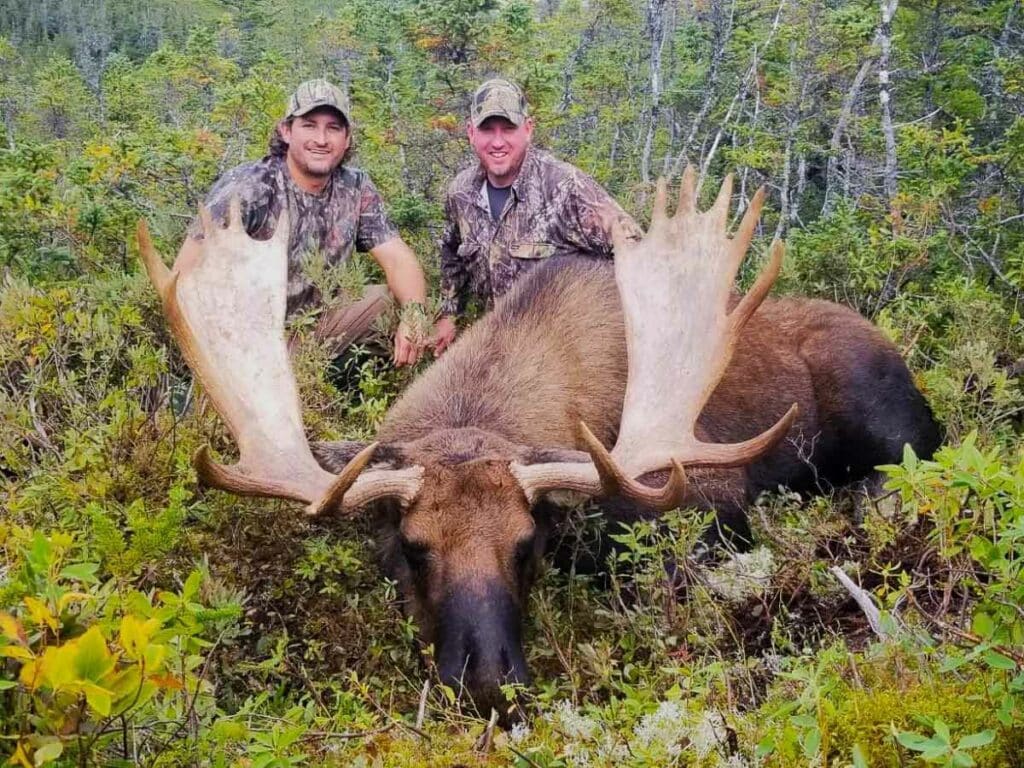
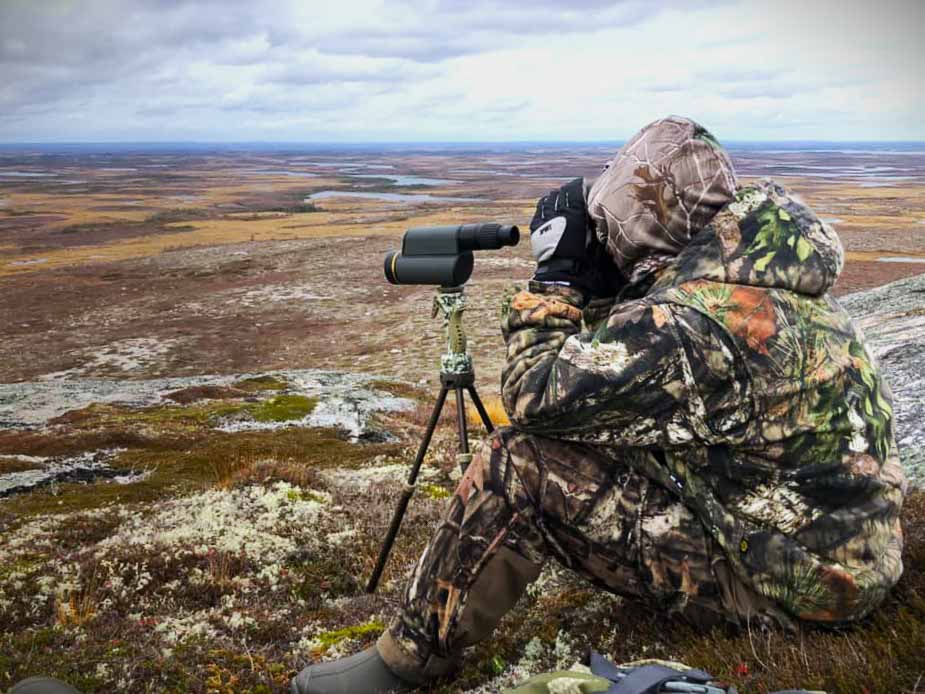
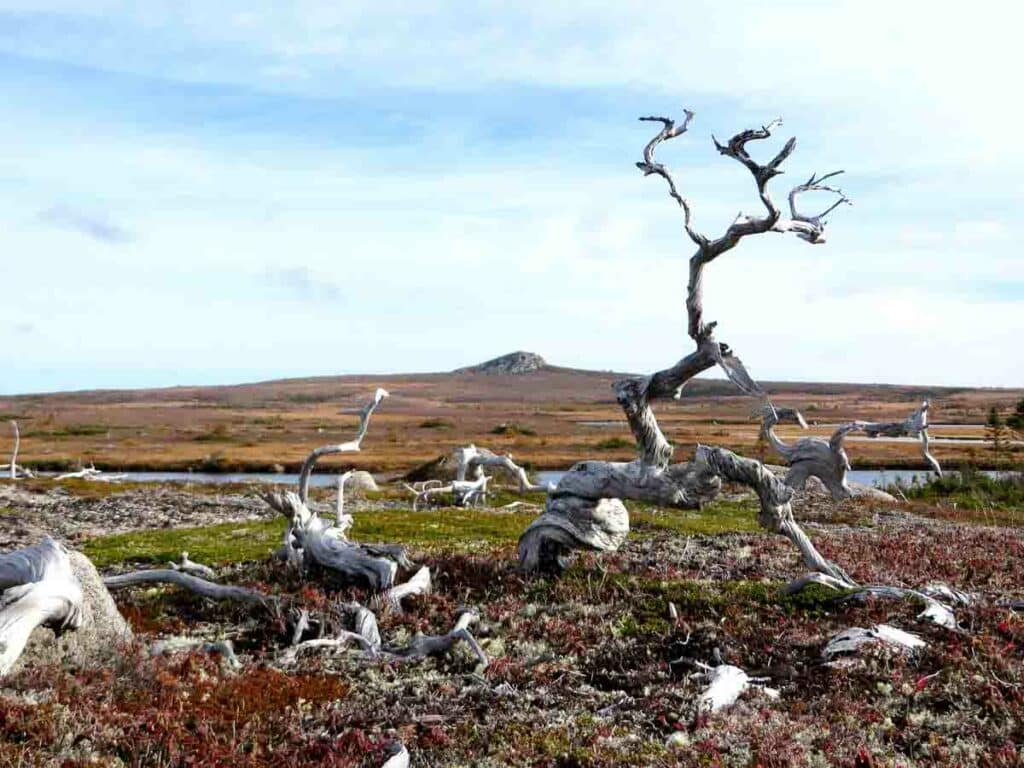
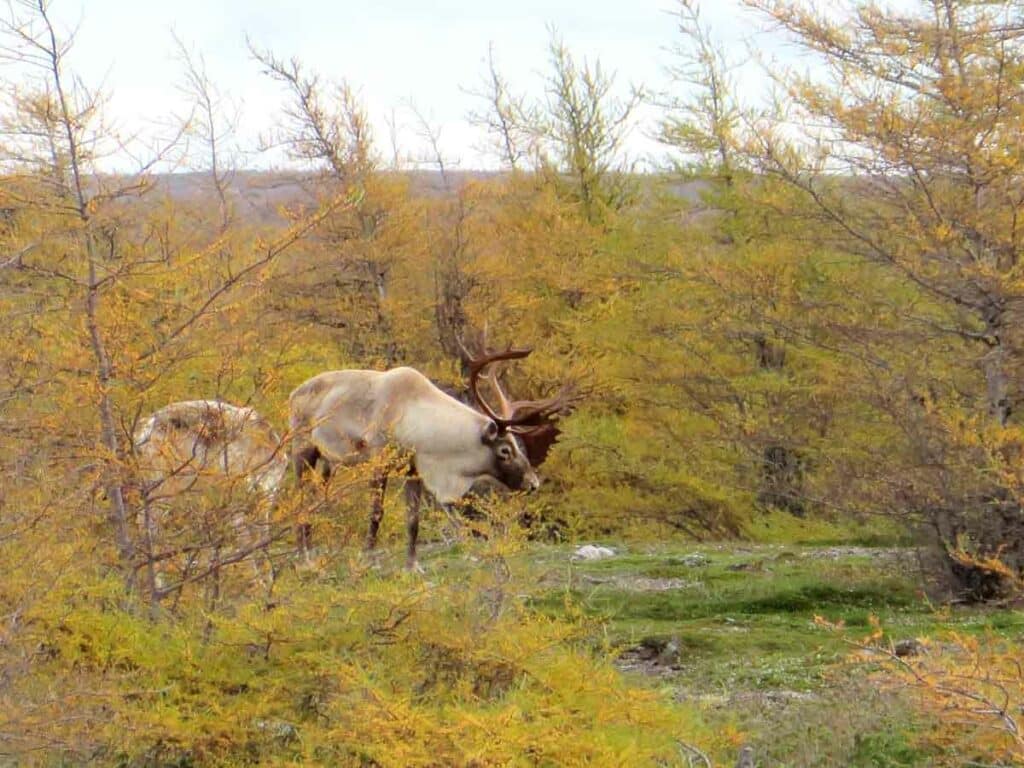
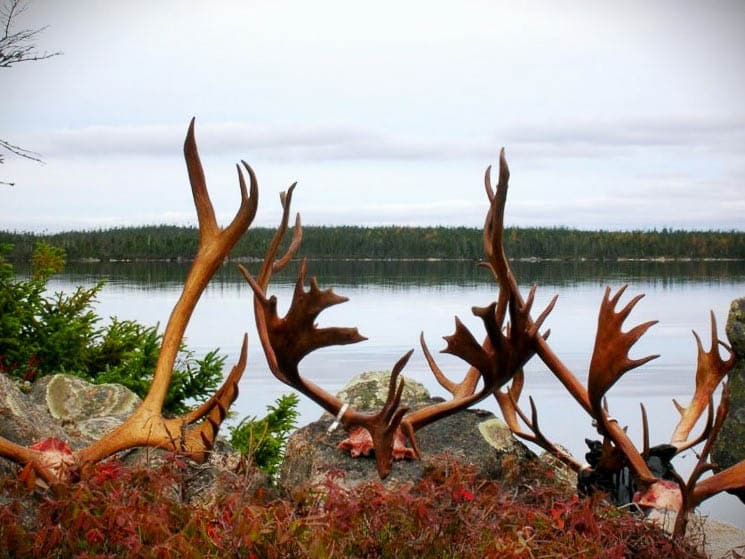
The only place on earth to pursue true Woodland Caribou, and with several of the top 10 all-time B&C bulls, including the two current tied #1 bulls, this outfitters reputation certainly speaks for itself. A very limited, high success, premier hunt seeking big bulls only!
PACKAGE DETAILS
PRICING
Trophy Caribou hunt: 6 days – 1x1 guided – x1 Woodland Caribou – Sept-Oct = $27,500
Trophy (12 day) Caribou hunt: 12 days – 1x1 guided – x1 Woodland Caribou – Sept-Oct = $30,500
Trophy NFLD Slam: 12 days – 1x1 guided -x1 Caribou/Moose/Black Bear – Sept-Oct = $36,200
INCLUDED
- Round trip airport shuttles
- Round trip air charters to camp
- Relocation if necessary
- All meals during hunt
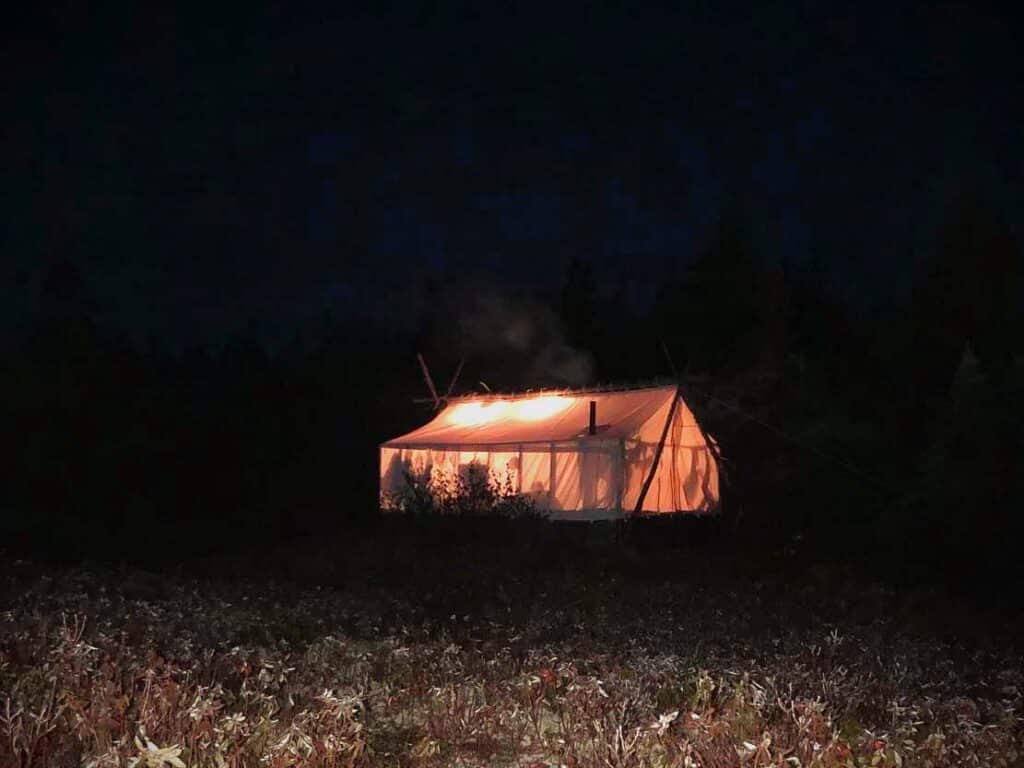
- Comfortable cabin/tent lodgings
- NO Size Restrictions
- Professional 1x1 guiding
- All ground transport during hunt
- Basic meat & trophy prep
- Delivery to local taxidermist
NOT INCLUDED
- 15% government sales tax
- Travel to destination city
- Any pre/post hunt meals or hotels
- All hunt licensing & tags
- Gratuities to guides and staff
- Rifle rental & ammo (if needed)
- Alcohol (if desired)
- Detailed meat prep/packing/export
- Taxidermy costs & trophy export
- Side ventures/Tourism
- Personal purchases/Souvenirs etc.
UPGRADES & EXTRAS
- Extra hunting days:
$3000/extra x6 days - if possible
- Observer days:
$3000/extra x6 days - if possible
- Rifle Rental: $300 - if needed
- Caribou license & tag: $675
- Hunting license & Moose tag: $502
- Black Bear license & tag: $150
Trophy Fees for Additional Game;
- “Stumble On” Black Bear:
$800 + license/tag
(Applies to Moose only hunts)
Experience what might be the best Woodland Caribou hunt in Newfoundland, with a family run outfit having earned a reputation for both quality and consistent success. No other outfit receives more tags, or operates in better units. To its credit, this package is the source for of the world’s largest ever documented Woodland Caribou, and both all-time B&C tied #1 Woodland Caribou were taken recently by clients hunting with this outfitter!
Personally owning seaplane bases, and piloting his float planes and helicopters enables our outfitter to access the entirety of his vast outfitting territories with no third-party flying services. This results in top-notch hunt logistics and overall experience, as well as active scouting and meticulous pre-season preparations or hunter relocations if necessary.
Hunt on coveted tags in the islands top producing areas, some of which are grandfathered allocations in Provincial or Wilderness parks that allow no other hunting, roads or permanent structures. Professional 1x1 guiding with experienced repeat guides during the peak rut make it extra special. Opportunity and success rates are consistently the highest that can be expected for Caribou, conservatively estimated at 90% or higher.
Servicing Newfoundland’s western coast and central interior, our outfitter has literally dozens of camp or cabin options to rotate and pick from. Choose between 6 or 12 full-day, remote fly-out hunts that see virtually no resident hunting pressure. Caribou camps are also made exclusive to parties of 2 hunters.
Seasons span from late Sept to mid Nov, with the prime rut occurring Mid Oct. The “Newfoundland Slam” for Caribou, Moose and Black bear is also available but extremely limited. If you are looking for the best Woodland Caribou hunt …you may have found it.
MORE INFO
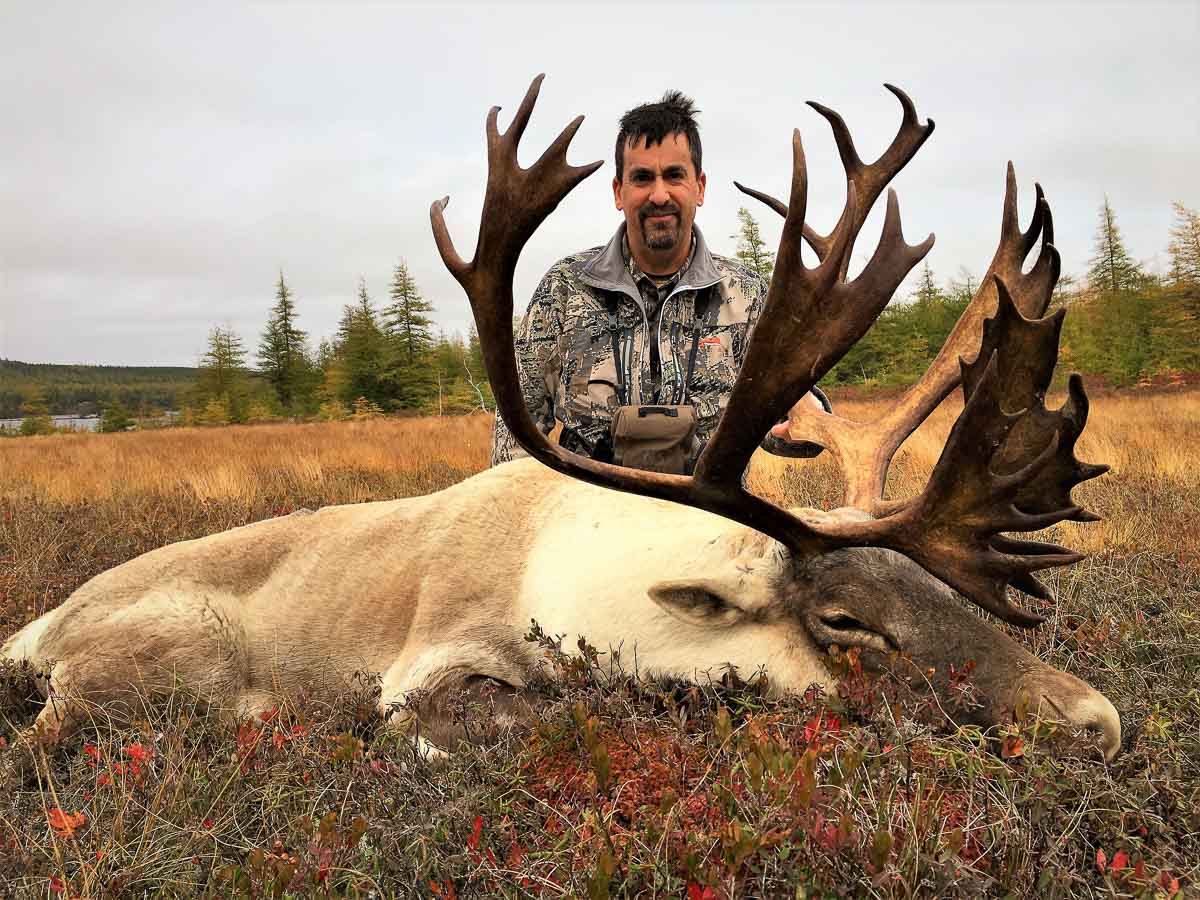
"Newfoundland is such a neat place, and perhaps the friendliest people anywhere. I took a beautiful bull caribou on the first day! When I asked Adrian for a proper Woodland Caribou hunt, he knew exactly where to send me. This excellent, well-run family operation is highly recommended. Thanks again!"
Tim, AL, USA
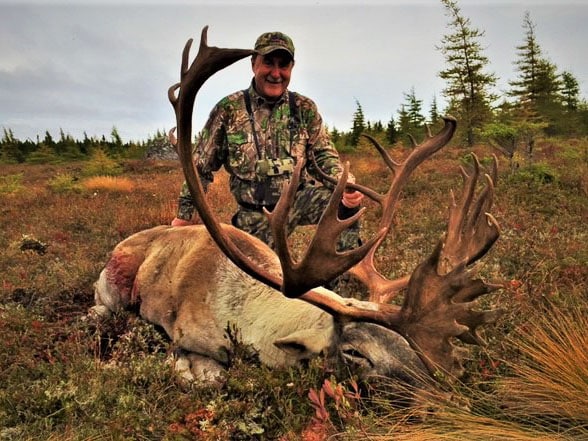
"text needed"
Louis, USA
Have Any Questions?
OR
JOIN THE TAIGA MAILING LIST
All pricing in $USD. Information and pricing are subject to change without notice.