CANADA: YUKON MOOSE HUNT (COMBO)

10 DAYS - $35,000

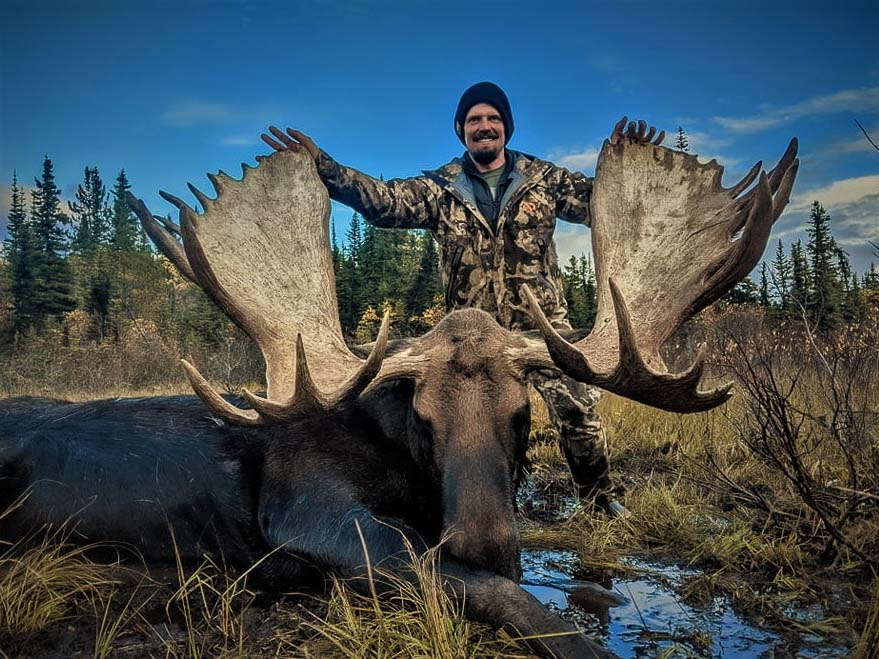
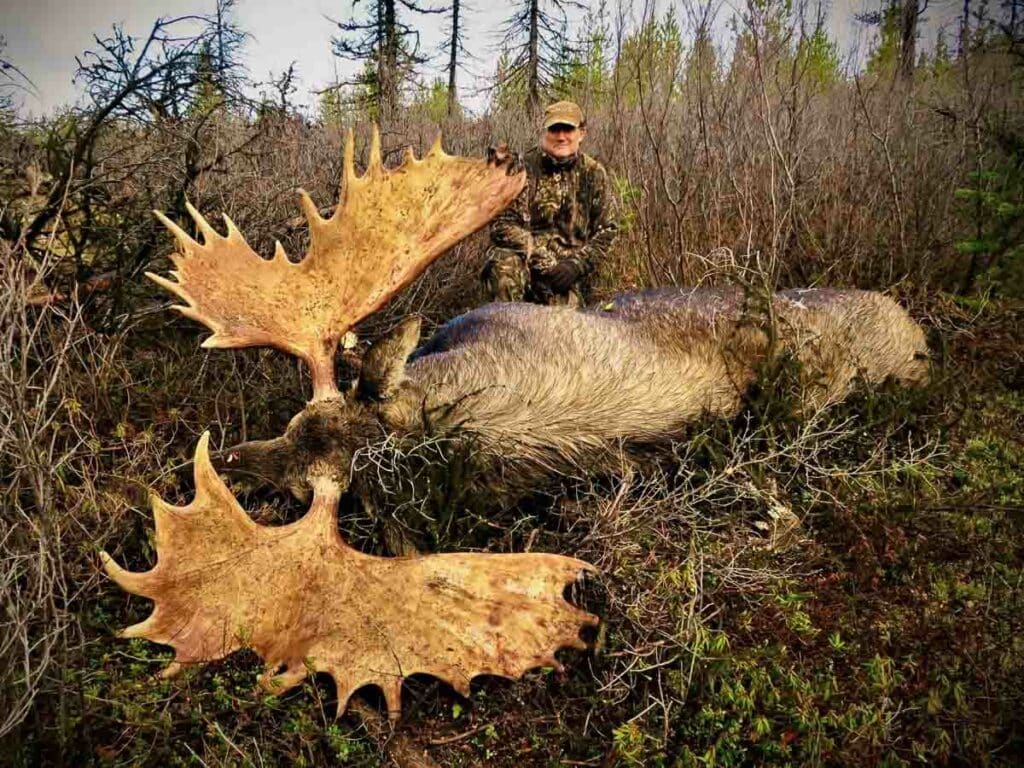
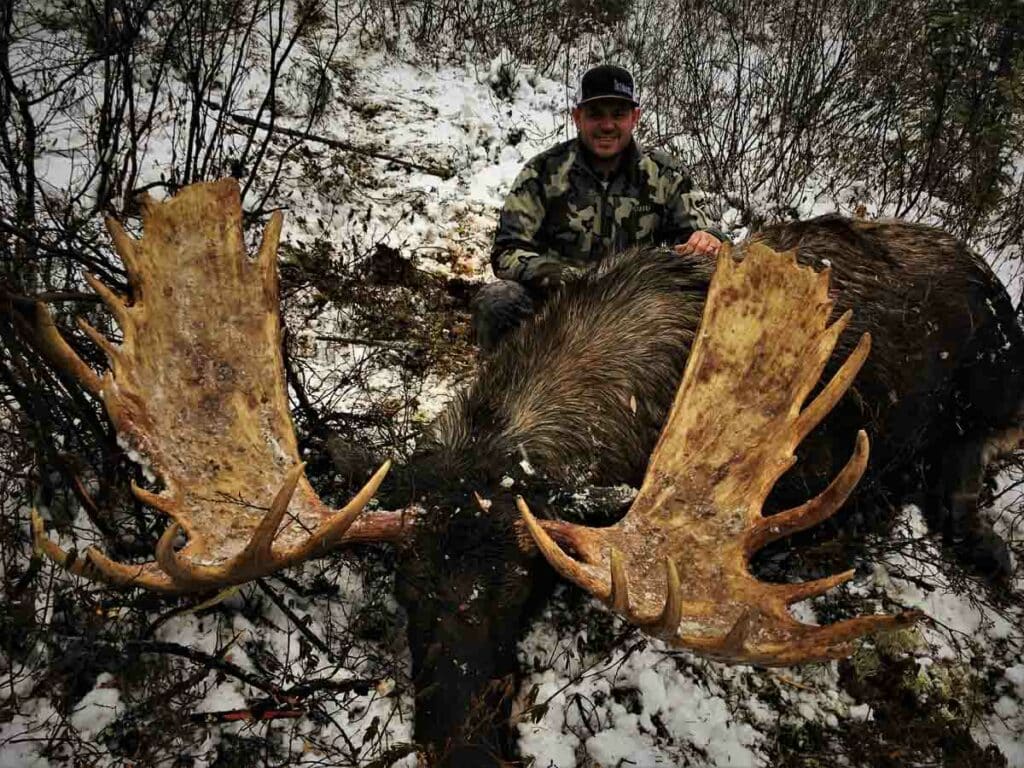
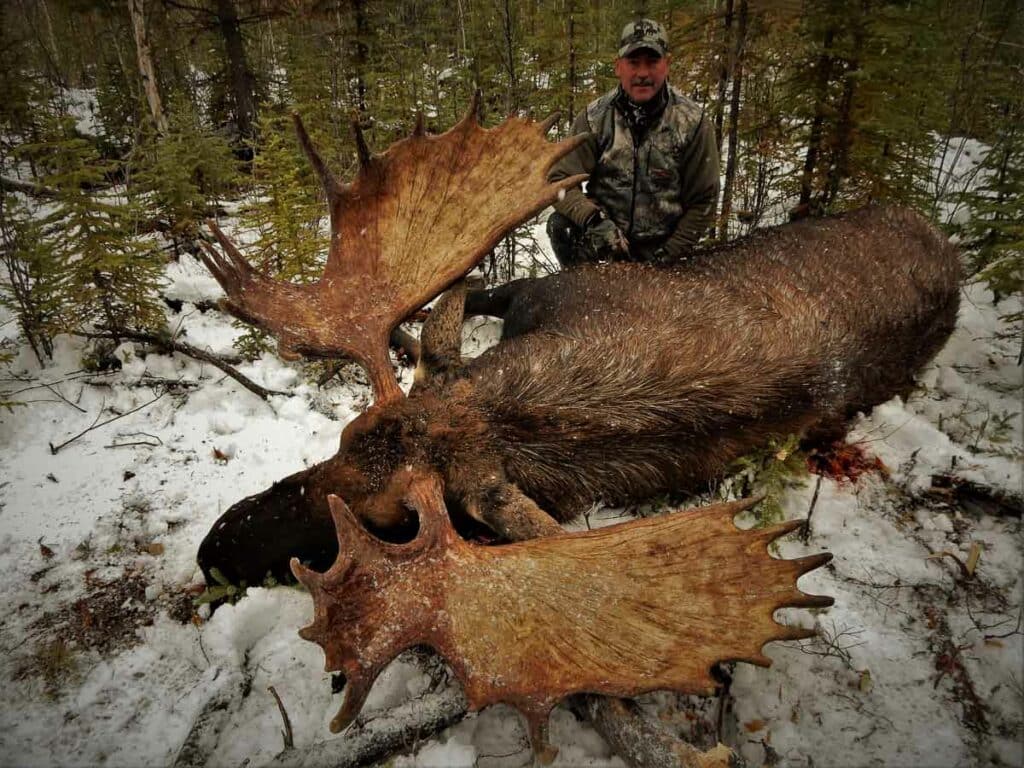
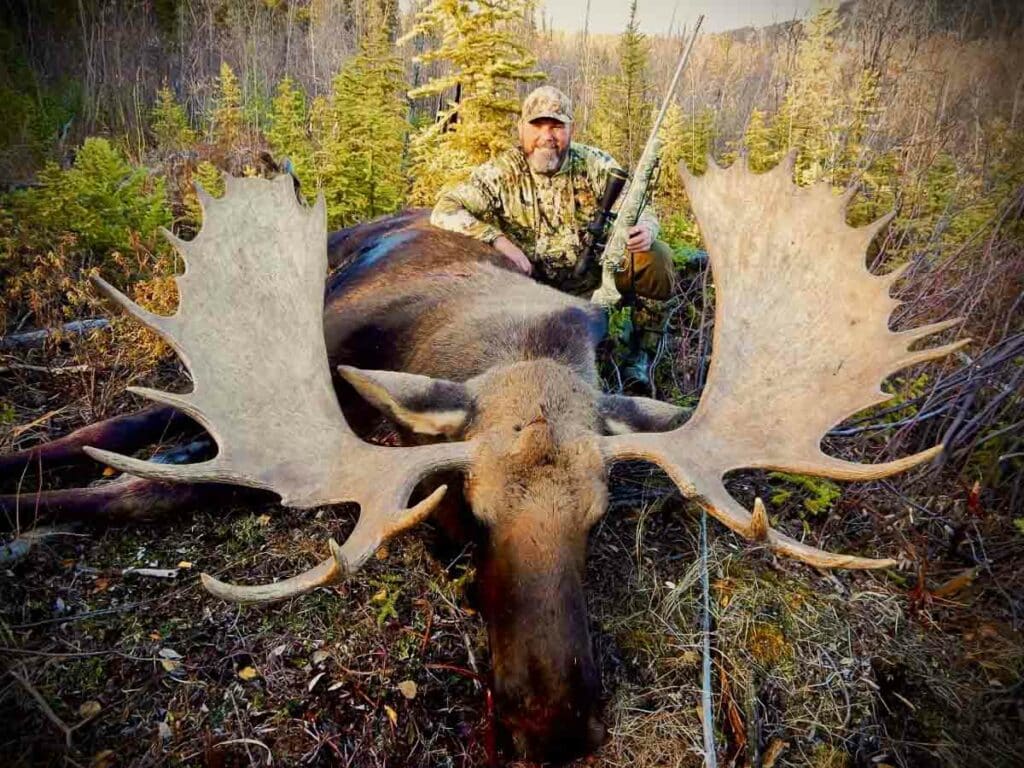
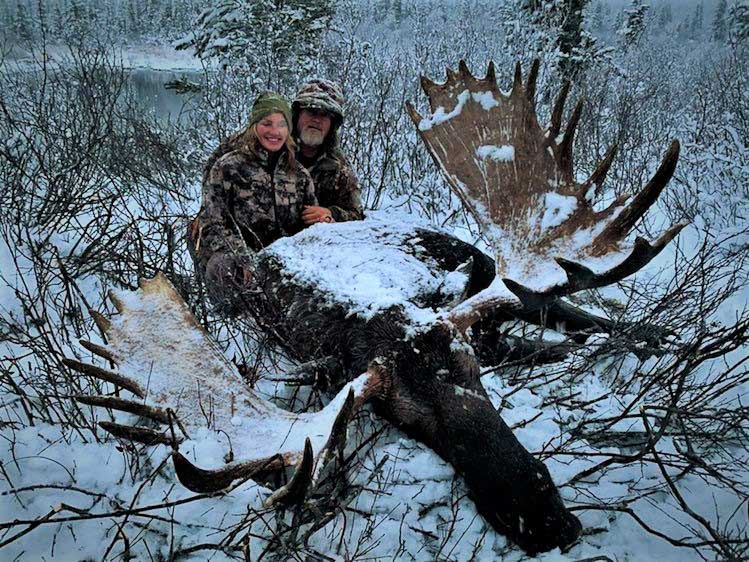
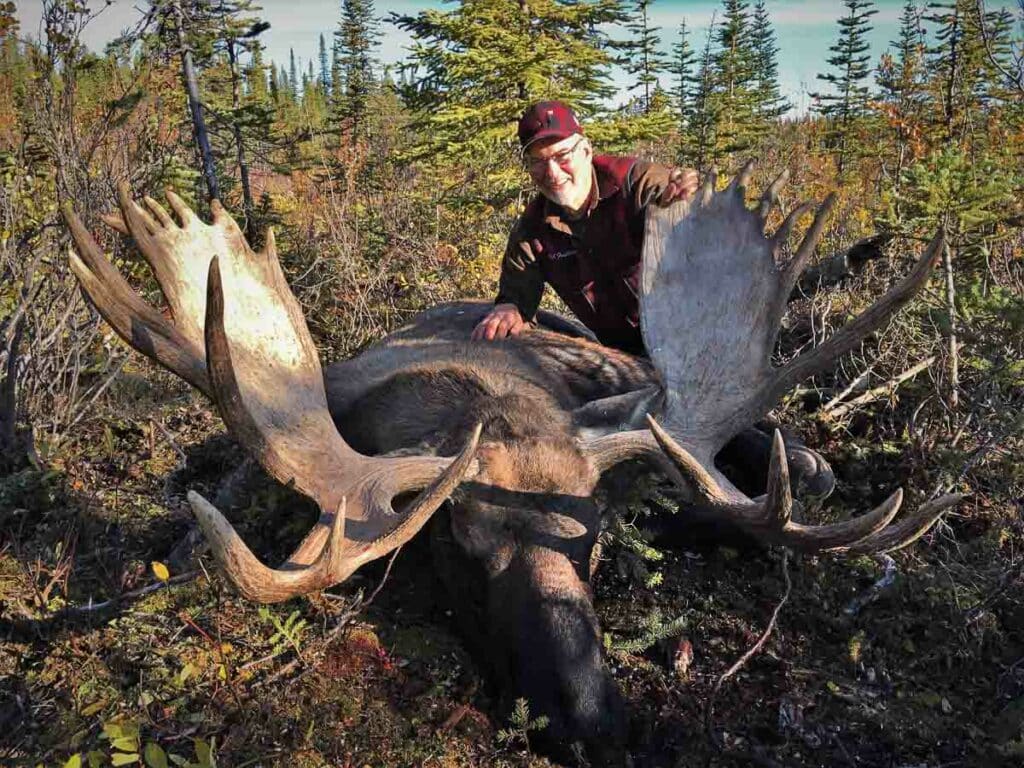
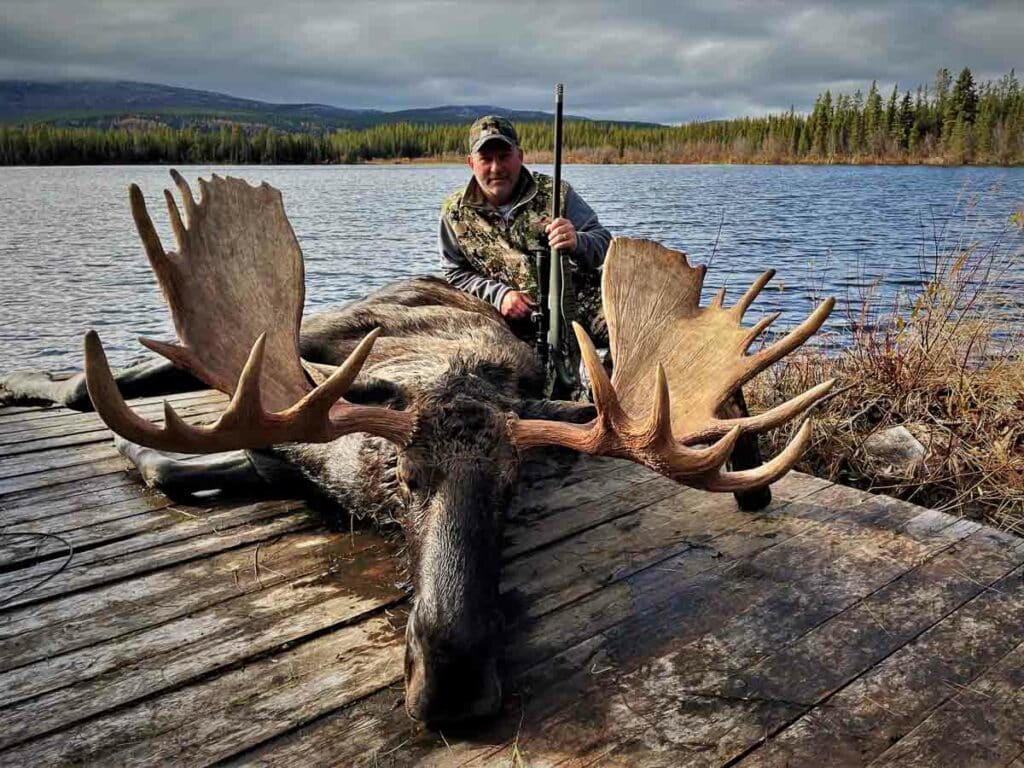
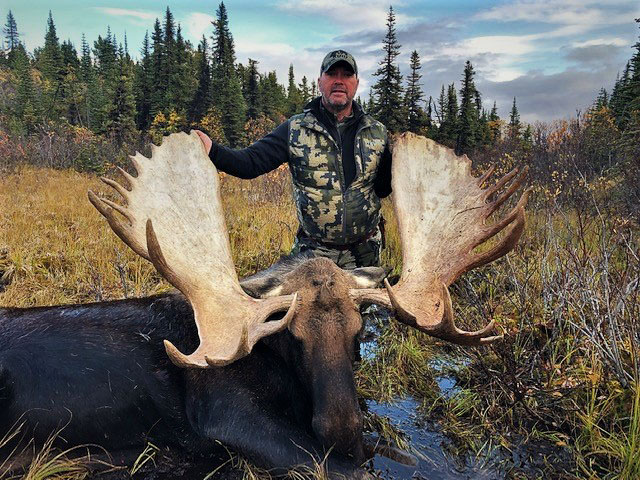
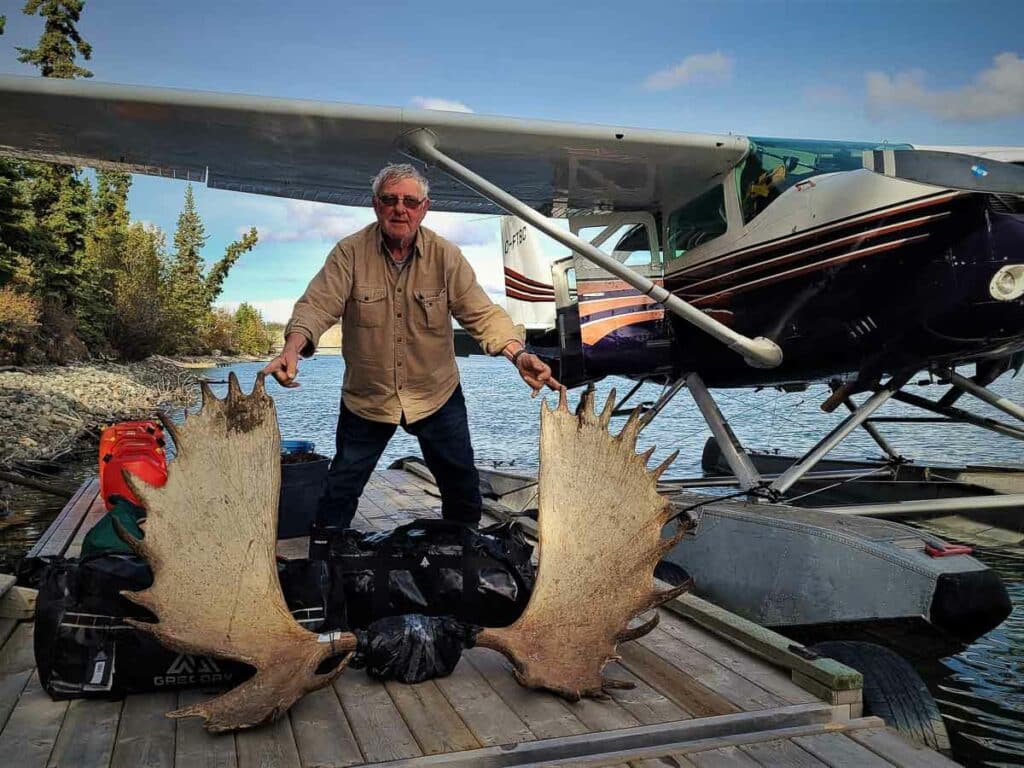
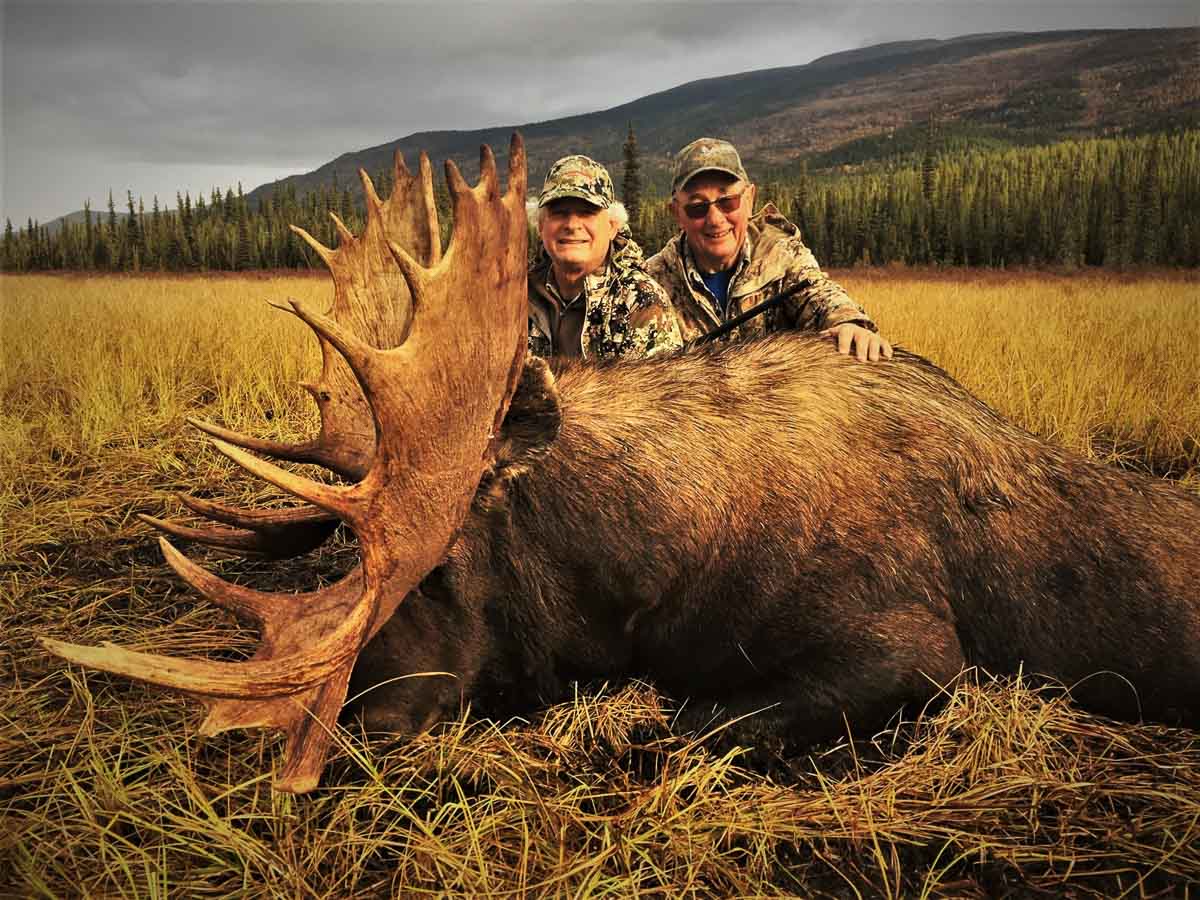
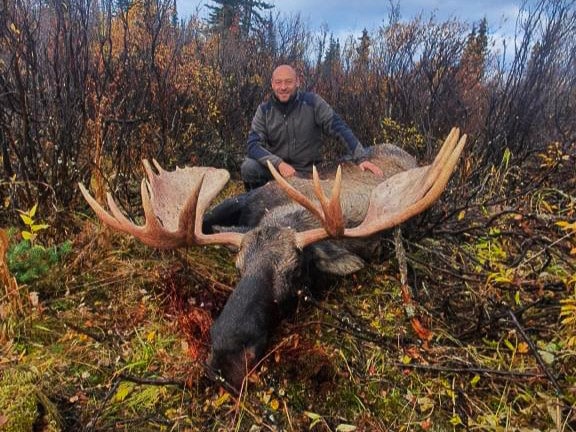
Tangle with the largest Moose on the continent, in what is arguably the most prime hotspot – Yukon! Massive in both body and antler size, these antlered Kings of the North will humble even the most seasoned hunter. These Yukon Moose hunts are truly World Class!

PACKAGE DETAILS

PRICING

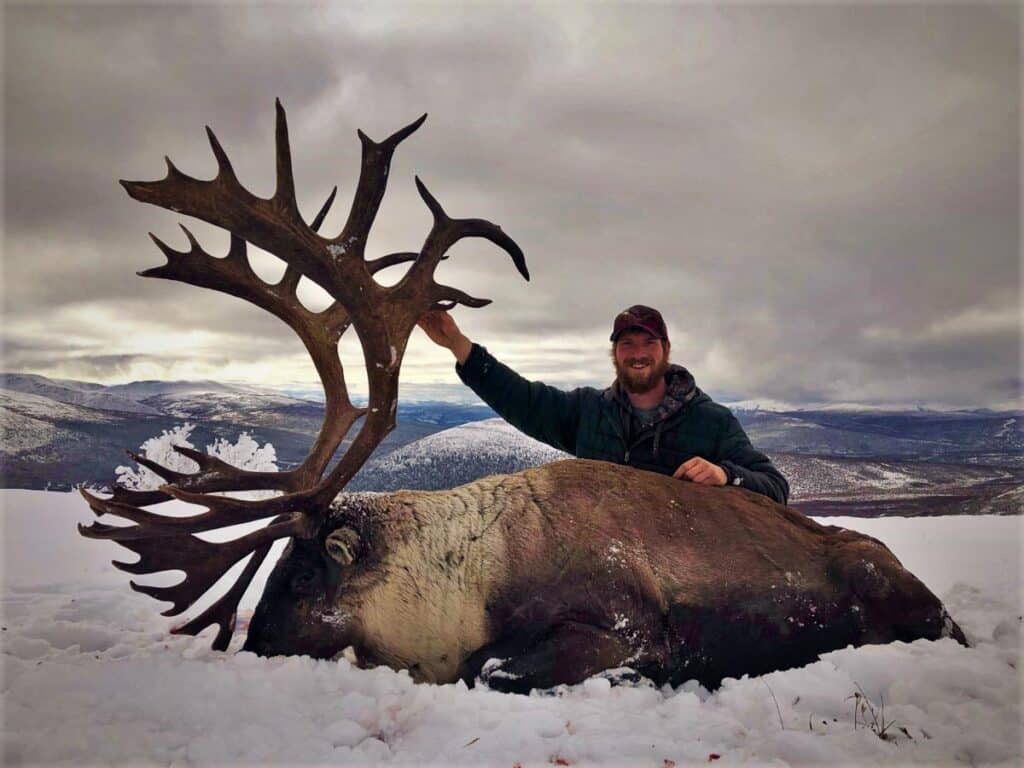
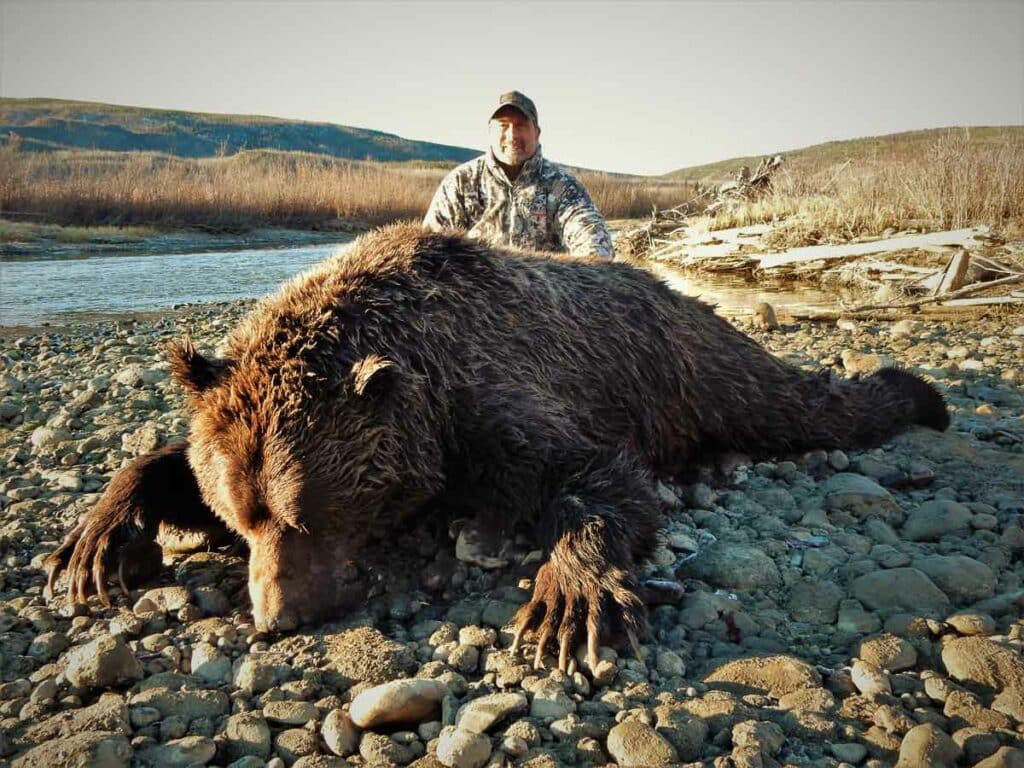
Trophy Combo Hunts - 10-days – 1×1 guided – x1 Moose OR Grizzly OR Caribou – Sept/Oct – $35,000

INCLUDED

- Return airport/hotel shuttles
- Return charter base shuttles
- All meals during hunt
- Comfortable cabin lodgings
- Professional 1x1 guiding
- x1 Moose or Grizzly or Caribou
- NO Size Restrictions
- Bonus x2 Black Bears & Wolves
- Bonus Wolverine & Trout fishing
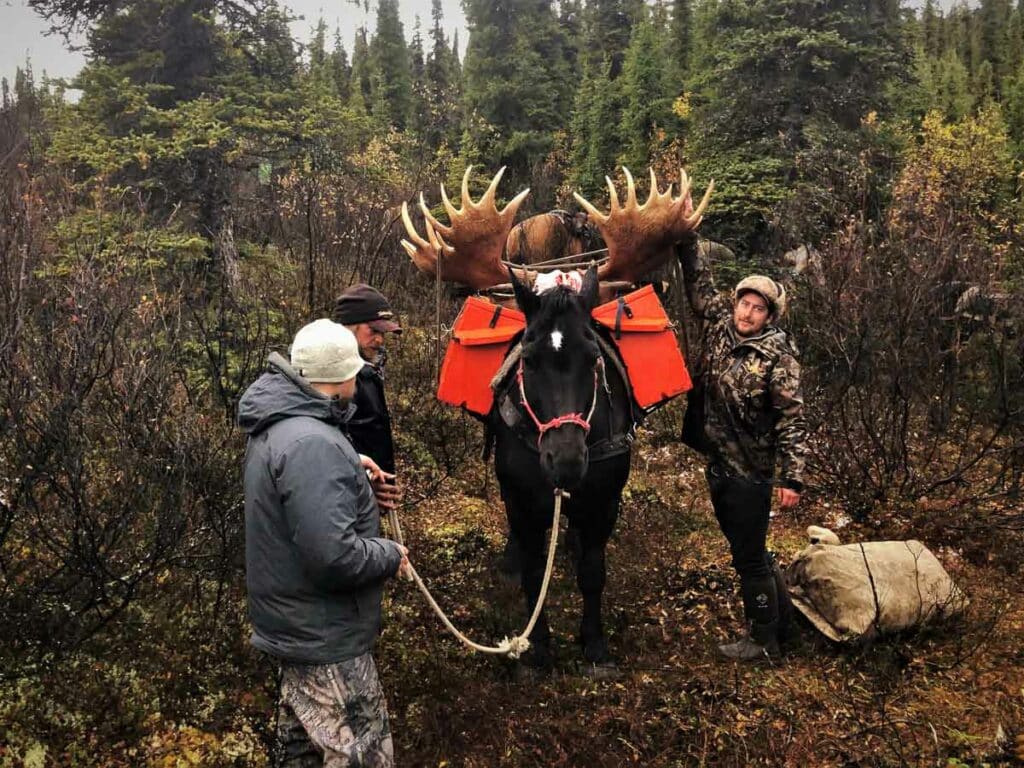
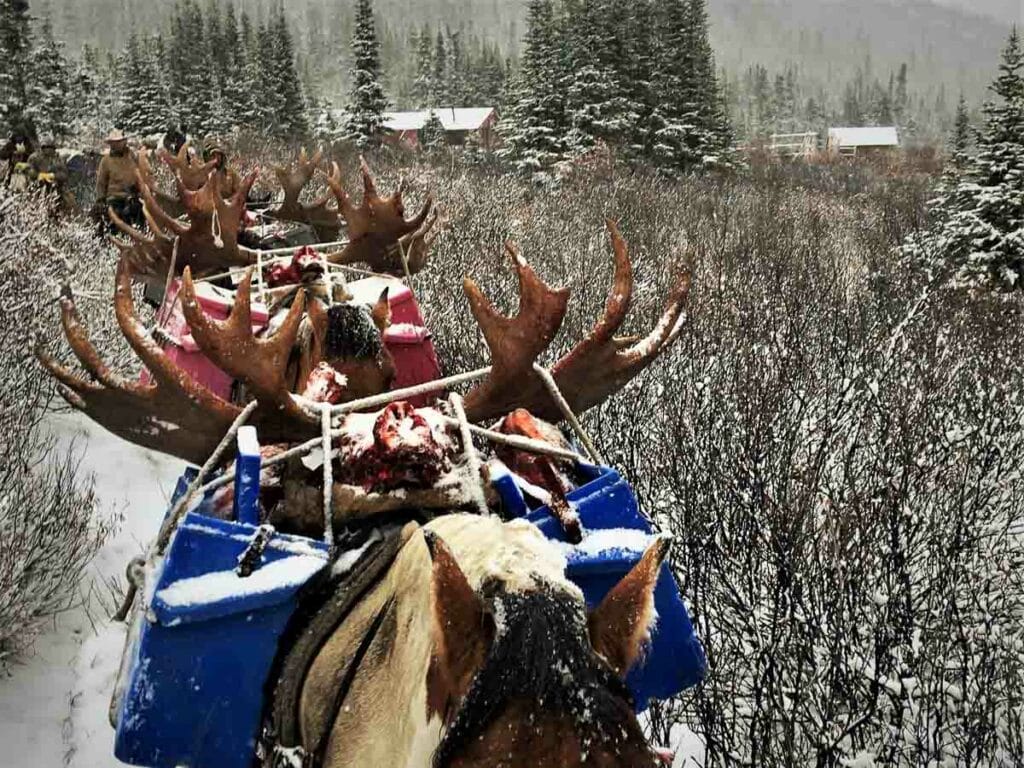
- All Argo/Horse/Boat/4x4 transport
- Rifle & Ammo (if needed)
- Basic meat/trophy preparations
- Delivery to local taxidermist

NOT INCLUDED

- 5% government sales tax
- Travel to destination city
- Any pre/post-hunt meals or hotels
- Round-trip charter flights
- Yukon hunt licensing & tags
- Fees for 2nd/3rd big game species
- Gratuities to guides and staff
- Alcohol (if desired)
- Trophy/meat export & taxidermy
- Side ventures/Tourism/Activities
- Personal purchases/Souvenirs etc.

UPGRADES & EXTRAS

- Extra hunting days:
Negotiable upon request
- Observer days:
Negotiable + Charter flights
- Rifle Rental: Included if desired
- Return charter flights: $2000/pp
- Hunting license & tags: $750
Includes; Moose/Grizzly/Caribou
X2 Black Bear/Wolf/Wolverine
- Fishing license: $20

Trophy fees for additional game:

- Moose/Grizzly/Caribou: $15,000
Due upon harvest or wounding/loss
- Black Bears/Wolves/Wolverine:
Bonus - No Trophy Fees

MORE INFO

Prime Time

Specialty Moose hunts are offered during the traditional prime rut window, which spans from mid-September to early October. Moose can also be combined on other specialty hunts for other species earlier in the season.

Additional Species

-Grizzly Bear: Can be taken in place of moose at no cost, or combined with Moose for a trophy fee.
-Mountain Caribou: Can be taken in place of Moose at no cost, or combined with Moose for a trophy fee.
-x2 Black Bears: Can be taken as bonus targets of opportunity on any hunt at no additional cost.
-Wolves: Can be taken as bonus targets of opportunity on any hunt at no additional cost.
-Wolverine: Can be taken as bonus targets of opportunity on any hunt at no additional cost.
-Fishing: Possible any time during the hunt, at no additional cost, aside from licensing.

Hunting Methods

The AY Moose Hunt cost includes x10 full 1x1 guided hunting days. Wake up early and enjoy a hearty breakfast, assemble a lunch with plans to be in the field until dark. Begin each day by cruising the lake or river by motorboat, or climb by Argo, quad, or horses to strategic vantage points and begin glassing and calling for Moose. With any luck the weather is favorable and it does not take long to spot movement.

In addition to Moose, all hunters will have various tags in their pocket. This hunt also offers hunters bonus species (with no trophy fees) such as Wolves, x2 Black Bears, or a Wolverine. And while it’s a Moose hunt, all hunters are welcome to substitute Moose for Grizzly Bear or Mountain Caribou. These species can also be added as targets of opportunity for a trophy fee, only payable upon success. The bottom line is that it’s quite difficult to go home empty-handed! All Alaska-Yukon Moose hunts are customizable and can cater to most degrees of physical fitness.

Firearms & Archery

Most clients bring their own firearms for hunting, but rifles can also be made available to borrow at no cost, if needed. Shooting ranges can vary but most shots fall between 75-350 yards. Arguably most popular would be a .300 Win Mag or similar caliber rifle. Muzzleloaders are also welcomed.

Archery Moose hunting in Yukon, Canada (by compound, traditional or crossbow) is all legal and possible if desired.

Landscape

The Yukon Territory is a mosaic of mountains, lakes, wetlands, and water bodies, with stands of mixed timber, natural meadows, dense willow, and alder thickets. Some AY Moose hunts occur in more mountainous habitat, but most are in lower country, such as along lakes or rivers, bisected by the surrounding mountains. Especially those lakes with plentiful willow or alder tangles used as both cover and forage in the fall season. Various stage burns or natural meadows are also Moose hotspots, often glassed from strategic high ground. Beautiful, harsh, rugged, remote, vast, and wild are all descriptive words that quickly come to mind when describing the Yukon.

Climate

Mid-September to early October is the classic Moose rut and prime time to be afield. Fall is certainly in the air this time of year, almost as if on fast-forward. With only two hunter change-over rotations per season, vegetation is mostly green when the hunts commence, and mostly fallen once they conclude. Frost is typical in the mornings and the land is becoming ready for winter. The first hunt rotation in September does not always see snow, but the second rotation concluding in early October could see flurries begin at any time. Temperatures tend to hover around the freezing mark, which is ideal for hunting and meat hanging. Cool, calm and clear weather offers the best Moose and rut hunt conditions.

Lodgings

Most hunters can rely on staying in cabin accommodations while Moose hunting in the Yukon Territory. Cabins are roomy and well maintained with separate sleeping quarters for guides and hunters. Each has common and dining areas. Despite the remote settings, cabins come complete with generator-powered electricity, running water, some have showers, and all have outhouses to meet all creature comforts. Camps are usually on lakes or swollen river segments, equipped with Argos, quads, horses, and motorboats, as needed or required. On occasion, outpost camps are established and hunters stay in detailed wall-tent camps. Again, creature comforts are provided to keep hunters warm, well-fed, and dry for the duration of the hunt. Should a mountain hunt be selected, spike camps can also be used, positioning hunters as needed in strategic areas.

Meals

Meals in camp are “home-style” and usually prepared by the guides or on occasion, a camp cook. Breakfasts are hearty with typical fare being items such as bacon, sausages, eggs, pancakes, waffles, toast, granola, fruit, juice, tea, and coffee. Lunch is often packed for the day afield and typically consists of various sandwiches and snacks such as cookies, fruit, granola bars, etc. For dinner, classic camp menu items would range from pork chops, steaks, hamburgers, chili, tacos, fried fish and chips, and of course, Moose! Pair these items with sides such as pasta or rice dishes, bread/buns, potatoes, and salad.

Travel Info

Destination City: Hunters are asked to arrive to Whitehorse, Yukon, where they will be greeted by the outfitter or a driver. Typically, overnight in a hotel and depart from the Whitehorse floatplane base the next morning, and charter directly into Moose camp for VIP, zero-hassle logistics.

Travel Suggestions: Whitehorse is best reached from connection airports such as Vancouver, Calgary, or Edmonton by major airlines such as Air Canada or West Jet with daily service. Air North also offers limited service 2-4 times weekly from destinations such as Ottawa or Yellowknife, Canada.

Trophy Export

After each successful Alaska-Yukon Moose hunt, hides and skulls are carefully skinned, labeled and frozen by the outfitter. After the season, the outfitter delivers all trophies to their chosen taxidermist in the Yukon Territory who can do the complete work, or prep, certify, crate, and deliver trophies to his shipping agent or expeditor in Whitehorse, to be shipped internationally. Turnaround time ranges from 6-9 months.

Have Any Questions?

Contact Form Demo (#3)

OR

taigalogob

JOIN THE TAIGA MAILING LIST

Subscription Form
Scroll to Top