USA: FLORIDA - TROPHY ALLIGATOR & HOG COMBO
2 DAYS - $4,500
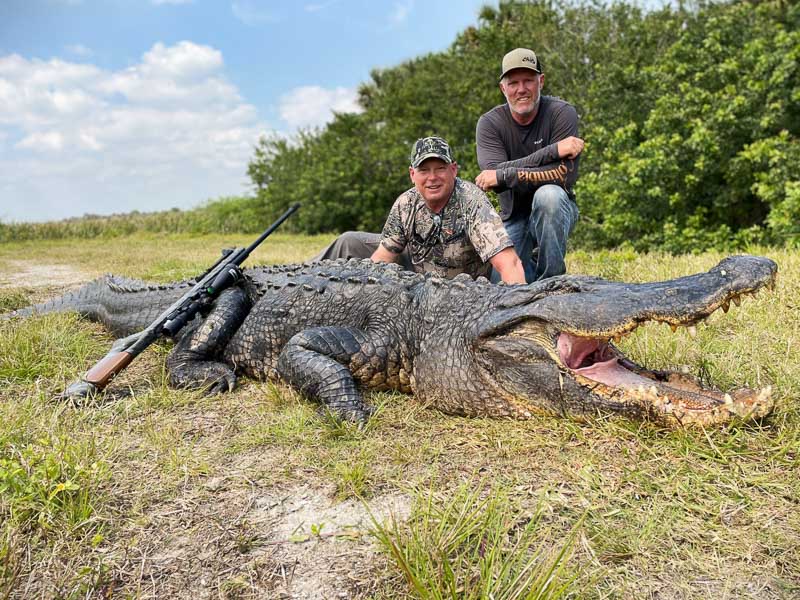
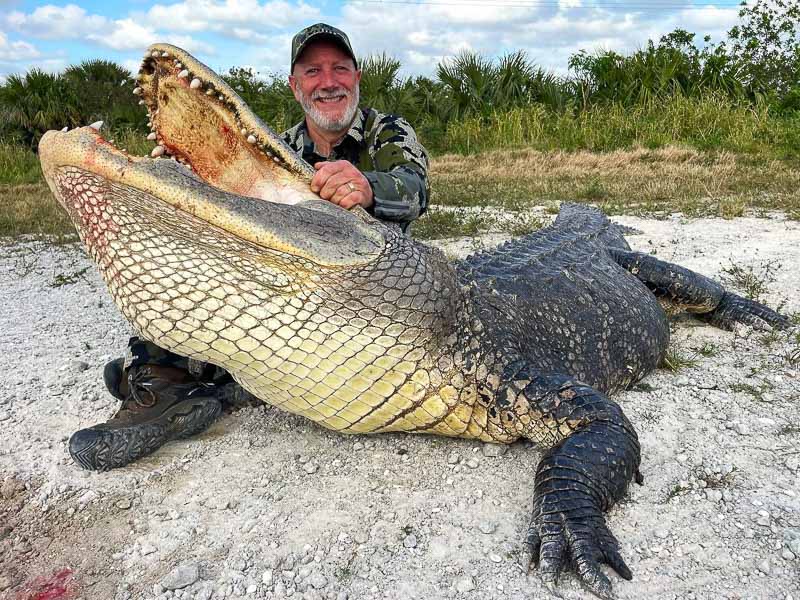
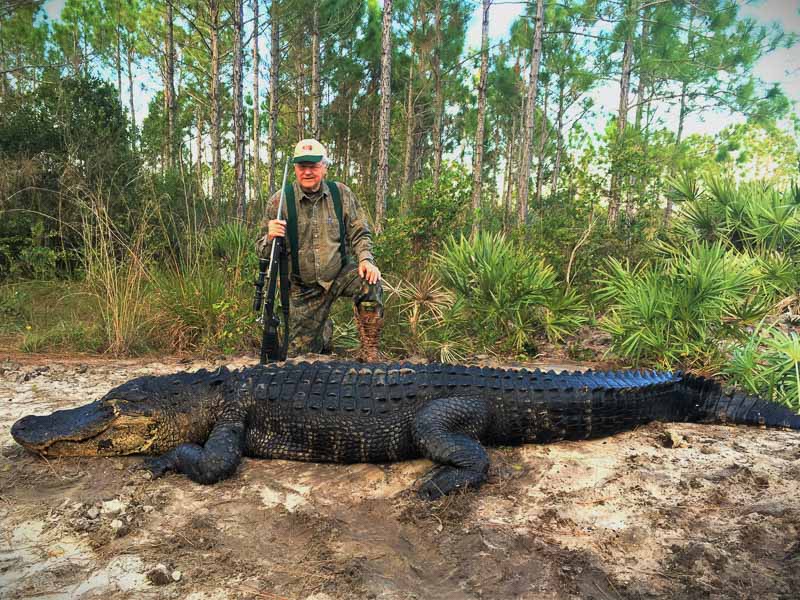
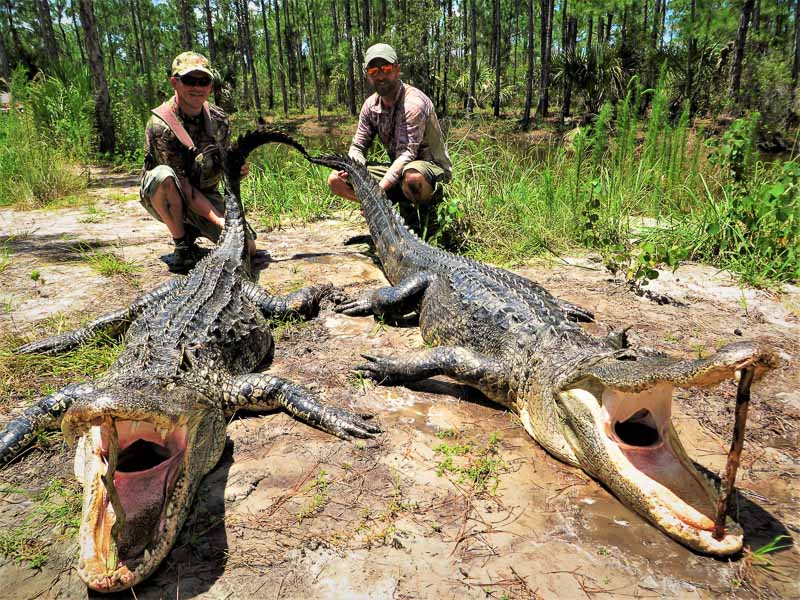
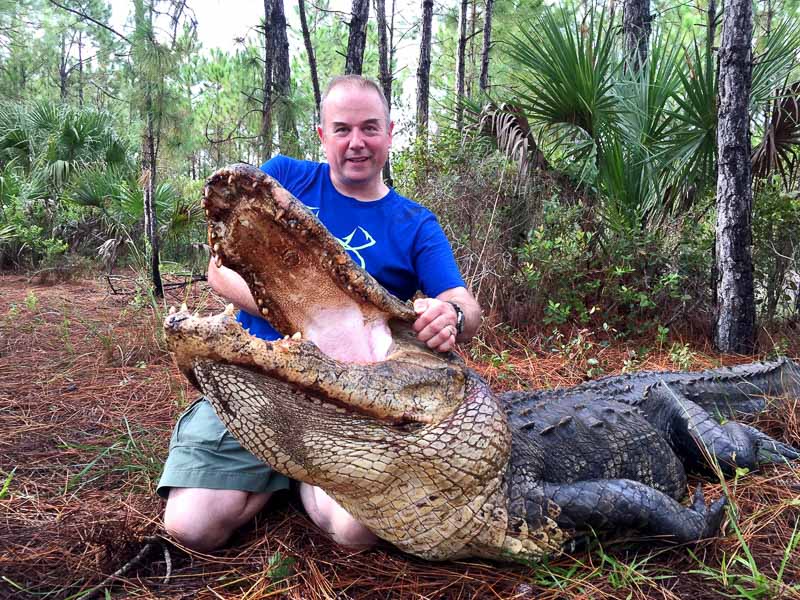
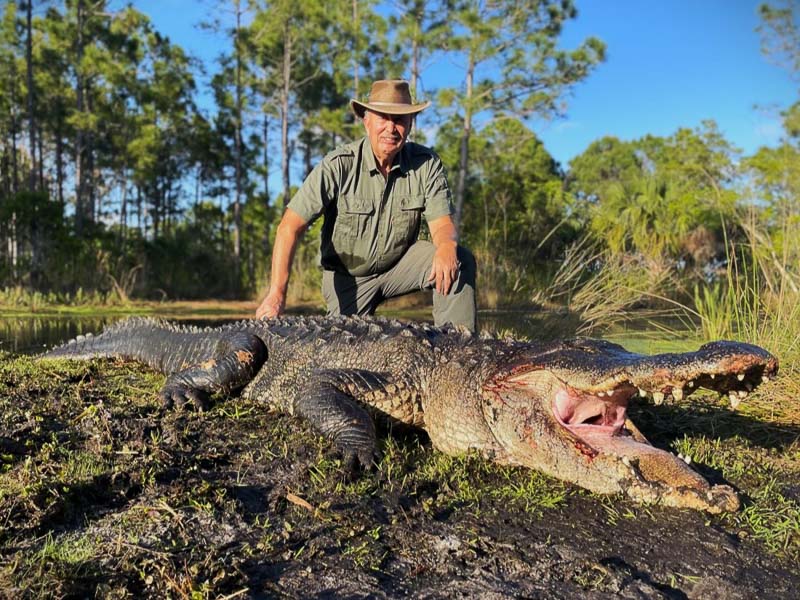
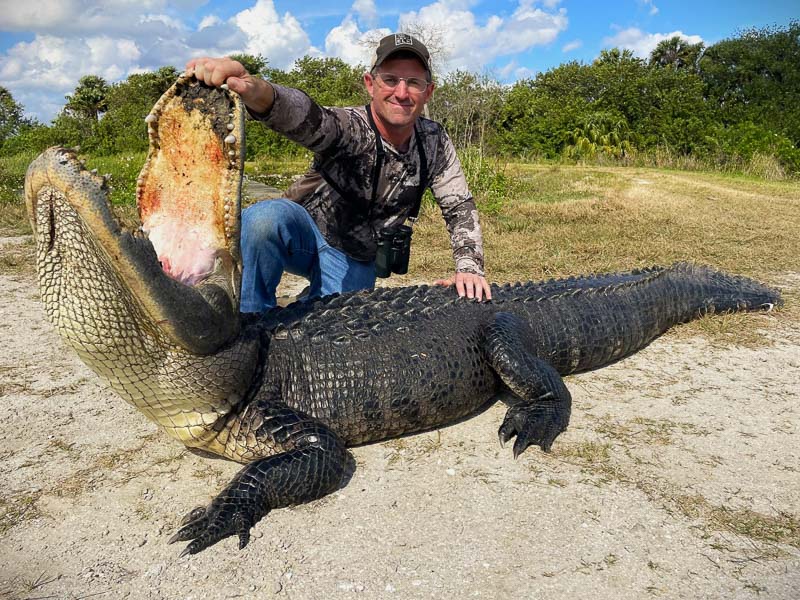
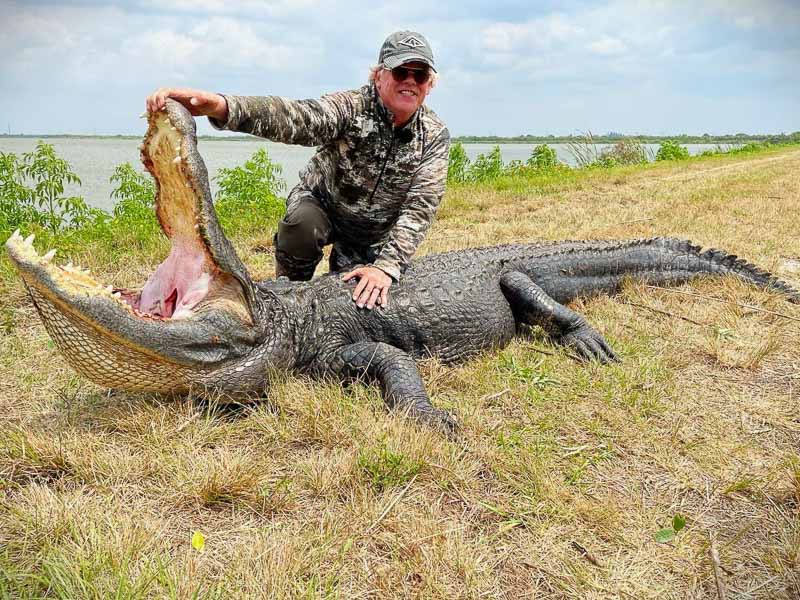
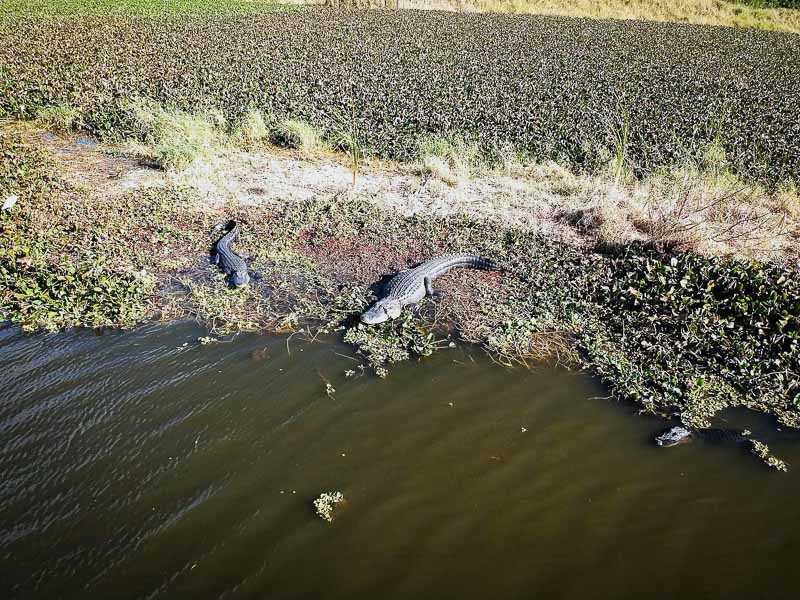
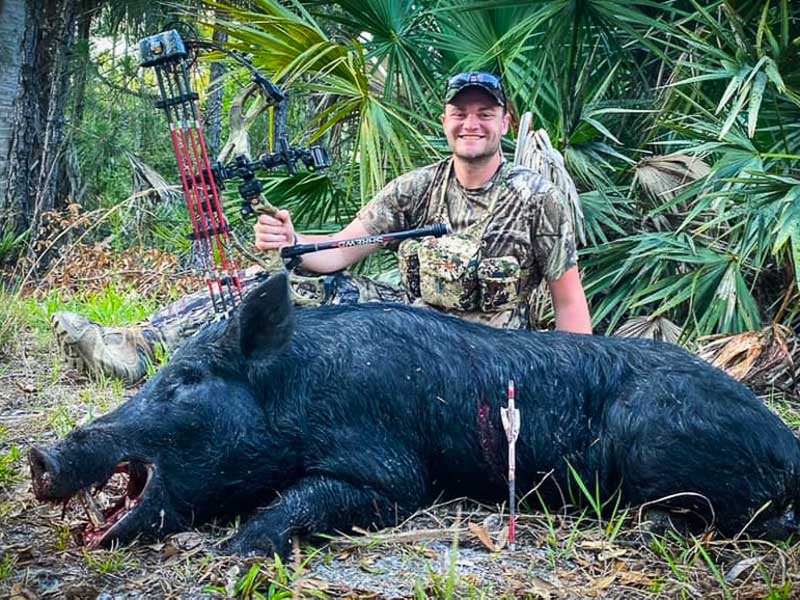
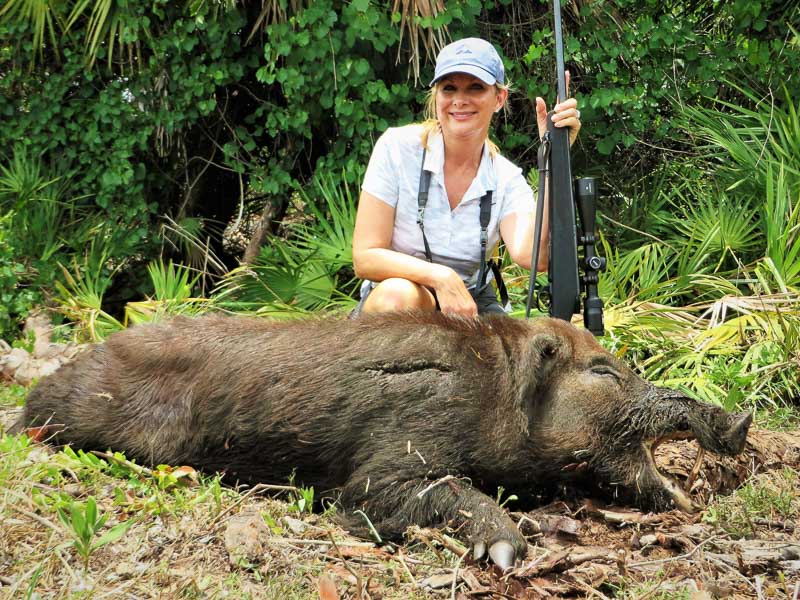
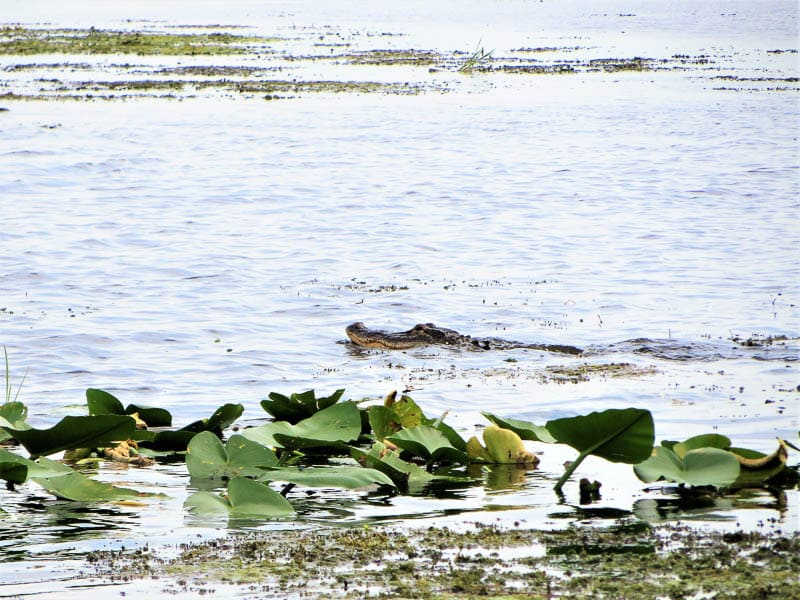
Target huge, ancient, free-range American Alligators in this exciting daytime spot & stalk trophy hunt! An incredible, underappreciated, indigenous North American species, with BONUS hog hunting, and fishing or wild turkey combo options!
PACKAGE DETAILS
PRICING
Trophy Alligator Hunts: 2 days – fully guided – x1 Alligator 9ft-12ft – Year-round = $4500
Super Trophy Alligator Hunts: 2 days – fully guided – x1 Alligator 12ft+ - Year-round = $6000
INCLUDED
- 1x1 or 2x1 guiding by outfitter
- Private lodge accommodations
- All meals during hunt
- Access to top producing areas
- x1 free-range trophy Alligator
- x1 BONUS feral hog
- Rifle/crossbow rental & ammo
- All ground transport during hunt
- Delivery to processor
- Delivery to local taxidermist
NOT INCLUDED
- Travel to destination city
- Airport shuttles/Rental vehicle
- Hunt licensing or any tags needed
- Trophy fees for additional animals
- Gratuities to guides and staff
- Alcohol (if desired)
- Meat & trophy processing fees
- Taxidermy & trophy export costs
- Side ventures/Sightseeing/Tourism
- Personal purchases/Souvenirs etc.
UPGRADES & EXTRAS
- Extra Alligator hunting day:
$550/day (If needed/possible)
- Extra Hog hunting day:
$250/pp (includes first hog)
- Extra Thermal Hog night hunt:
$350/pp (includes first hog)
- Non-hunting observer day: $150
- Rifle Rental/Ammo: Included
Trophy Fees for Additional Game;
- Trophy Alligator (9-12ft): $3500
- Management Gator (7-9ft): $1500
- Super Alligator (12ft+): $5000
- Osceola Wild Turkey: $1500
- Seminole Whitetail buck: $1500
- Additional Wild Hogs: $150
- Bobcat: $500
- Inshore Fish Charters: $750/pd
- Offshore Fish Charters: $1200/pd
(Full-day & up to max 3-4 ppl/day)
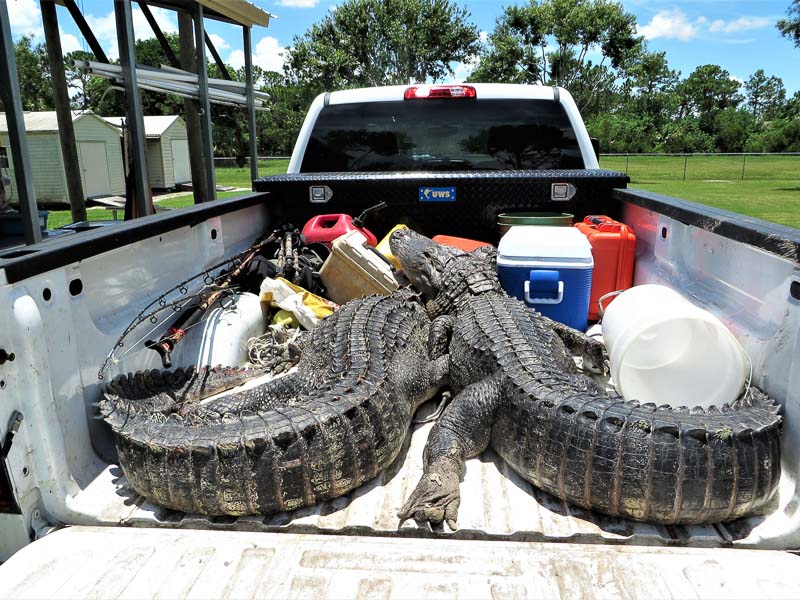
A largely overlooked indigenous North American game animal, American Alligators are in fact a worthy off-season quarry! An impressive free-range animal that often out-ages the hunter significantly, and is a true pre-historic creature! This unique hunt focuses on BIG 10+ foot gators using classic day-time spot & stalk hunting methods with an experienced, specialized outfitter. Special pre-scouted 12+ foot super trophy gator hunts are also available. The meat is delicious, the skulls are impressive and the skin makes a high-quality textile for a variety of beautiful products.
Seasons are open year-round, but being a cold-blooded animal, alligators are most active during the warmer summer months, and the rut or “crawl” occurs annually in May and June. This is an exciting time to hunt, as big dominant alligators become active, warding off intruders, or cruising and on the move. Conversely, alligators are mostly lethargic over the winter months in a semi-state of hibernation.
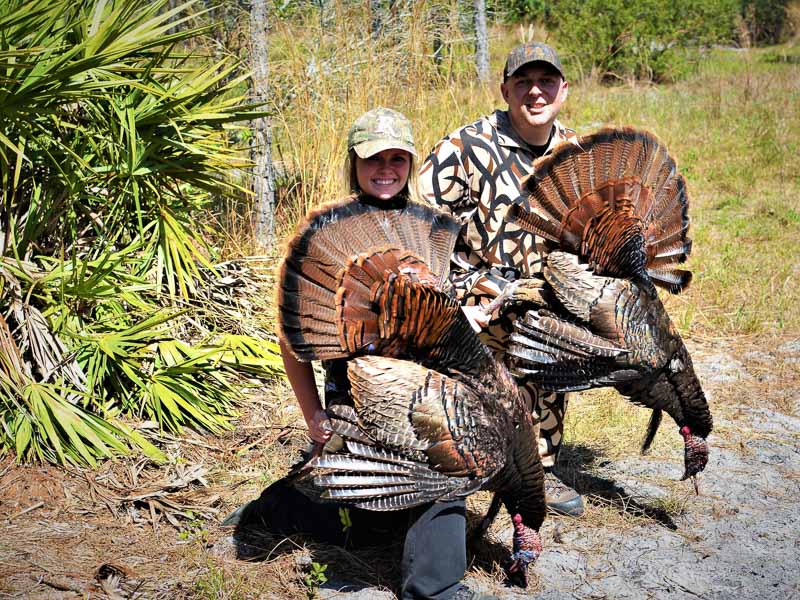
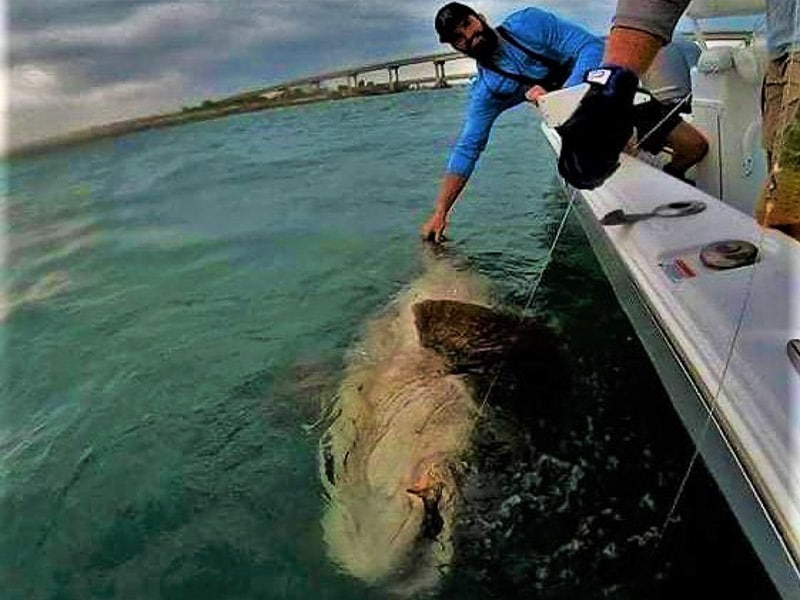
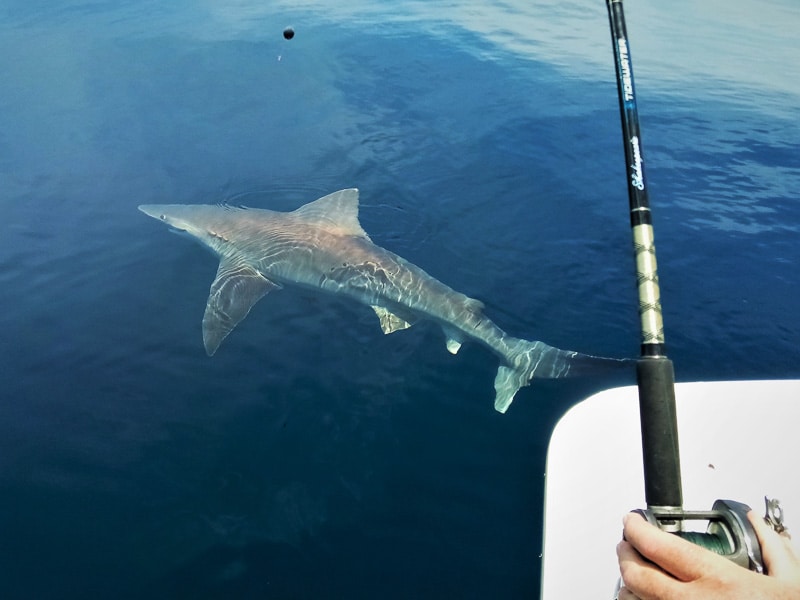
Each gator package comes with a bonus feral hog hunt, with the first hog included! The season is open year-round, and choose to hunt by swamp buggy, or with thermals at night, or over bait, or even with dogs. Osceola wild turkeys are also available and can be added to any gator hunt from mid-March to the third week of April. Florida is a fishing mecca, and is a very popular add-on any gator hunt! Target a variety of species ranging from snapper, grouper, snook, red fish, sharks and many others with full-day inshore and offshore charters, accommodating up to 3-4 anglers.
Hunts occur within 2 hours of Orlando, which comes with a host of other activities and side-ventures, good for the whole family. A perfect hunt package for anyone already visiting or travelling to Florida. With a lodge near the coast, catered meals and many vacation options, BIG free-range gators and an experienced outfitter, and more!
MORE INFO
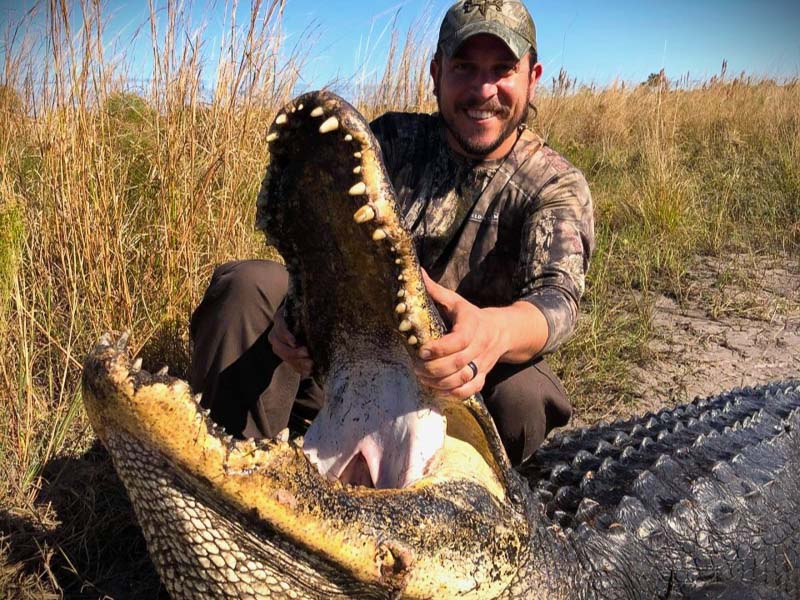
"A seriously big alligator has been on my bucket list ever since my dad took a 12’6” giant with his bow in the swamps of Louisiana. Fast forward almost 30 years and here I was, at full draw on my own prehistoric beast. What a hunt! The experience lived up to nearly three decades of anticipation."
Josh, NC, USA
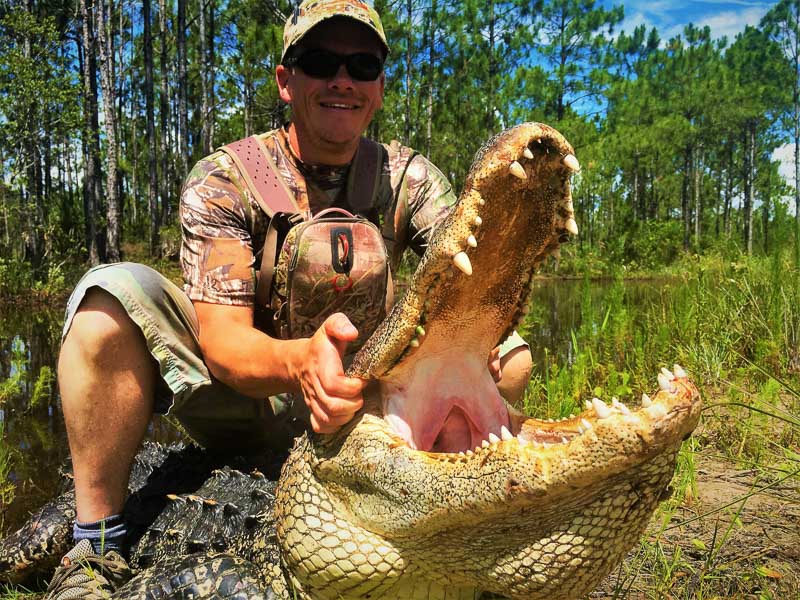
"This hunt was a fantastic experience! The outfitter is very knowledgeable, and an exceptional host. In no time he had me on big gators and I took a beauty on an exciting spot & stalk hunt through some wicked Florida wetlands! I was so impressed with the hunt, I got my gator life-size mounted!"
Jeff, YK, CAN
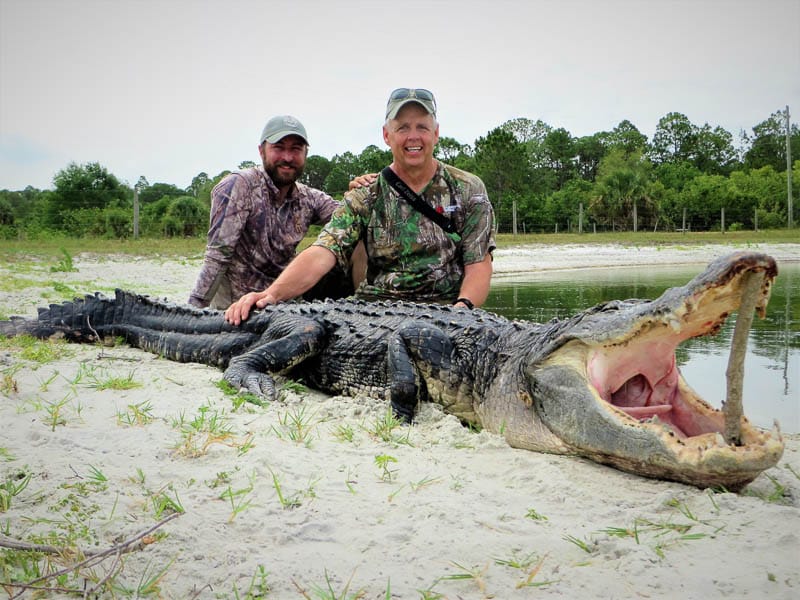
"The perfect add-on to a family vacation. TAIGA’s Florida outfitter is absolutely first class and all the details from the hunt, to dealing with the skull, hide and meat, were handled very professionally. This hunt typically only takes a day or two, with bonus hunting hogs from a swamp buggy afterwards!"
TJ, AB, CAN
Have Any Questions?
OR
JOIN THE TAIGA MAILING LIST
All pricing in $USD. Information and pricing are subject to change without notice.